 Save
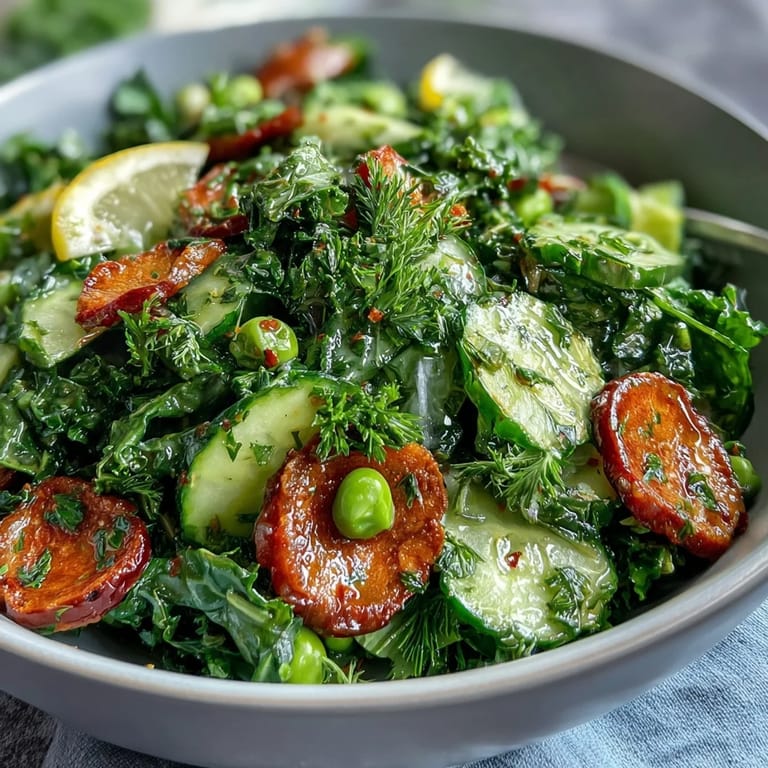
Save There's a moment every spring when the farmers market suddenly bursts with color, and that's when I know it's time to make this salad. My neighbor handed me a bunch of radishes still wearing their soil last April, and I realized I'd been making salads all wrong—too heavy, too fussy, when what we really needed was something that tasted like the season itself. This vinaigrette came together almost by accident, born from having a lemon that needed using and the desire to let those fresh vegetables shine without any pretense.
I made this for a small lunch party right before my daughter's school play, and somehow it felt like the most forgiving thing I could have prepared. While I was stress-baking croissants, guests were wandering into the kitchen asking for seconds of salad, which honestly surprised me more than it should have. It became the thing people actually remembered from that afternoon—not the main course, but this bowl of bright greens and lemon-dressed vegetables that tasted exactly like anticipation.
Ingredients
- Mixed spring greens: Use arugula, baby spinach, and watercress if you can find them together, though honestly any combination of delicate lettuces works—you want leaves tender enough that they don't fight the dressing.
- Sugar snap peas: Slice them on the diagonal to catch more vinaigrette and because they look prettier that way, which matters when you're eating something this simple.
- Fresh or frozen green peas: Thawed peas have a sweetness that balances the peppery radishes beautifully, and frozen ones are often fresher than fresh by the time they reach you.
- Radishes: Slice them thin enough to be elegant but thick enough to keep their satisfying crunch—a mandoline makes this easier, but a sharp knife and patience work just as well.
- Red onion: Just a whisper of it, because you want presence without overpowering the delicate greens.
- Extra virgin olive oil: This is where quality actually matters because it's doing real work in your dressing, not hiding in a cooked sauce.
- Fresh lemon juice: Never the bottled kind here; the vinaigrette depends on lemon's brightness to shine.
- Lemon zest: Grate it finely so it distributes evenly and adds those tiny bursts of flavor throughout.
- Dijon mustard: A teaspoon is enough to emulsify the dressing and add gentle complexity without mustard flavor taking over.
- Honey: Just a thread of sweetness to round out the lemon's acidity.
- Fresh chives: Chop them just before serving so they keep their mild onion flavor and color.
- Feta cheese: Optional, but those salty crumbles make the whole thing feel more intentional.
Tired of Takeout? 🥡
Get 10 meals you can make faster than delivery arrives. Seriously.
One email. No spam. Unsubscribe anytime.
Instructions
- Gather your vegetables:
- Wash everything thoroughly and pat it dry—wet greens won't hold the dressing properly. Arrange your workspace so you have all your cutting done before you start assembling, which keeps the whole process feel calm and organized.
- Combine greens and vegetables:
- In a large bowl, pile your greens, then scatter the sugar snaps, peas, radishes, and red onion over top without tossing yet. This way you can see all your colors before everything gets coated.
- Make the vinaigrette:
- In a small bowl or jar, add the olive oil, fresh lemon juice, lemon zest, mustard, honey, salt, and pepper. Whisk or shake vigorously for about 30 seconds until it emulsifies—you'll feel it thicken slightly and the oil will stop separating.
- Dress the salad:
- Drizzle the vinaigrette over everything and toss gently with your hands or two forks, turning it over slowly so each leaf gets kissed with dressing without getting bruised. This is the moment where you can taste and adjust seasoning if needed.
- Plate and garnish:
- Transfer to a serving platter or individual bowls, then scatter chives and feta over top just before serving. The immediacy matters here—you want that salad eaten while the greens are still crisp and the radishes are still snappy.
 Save
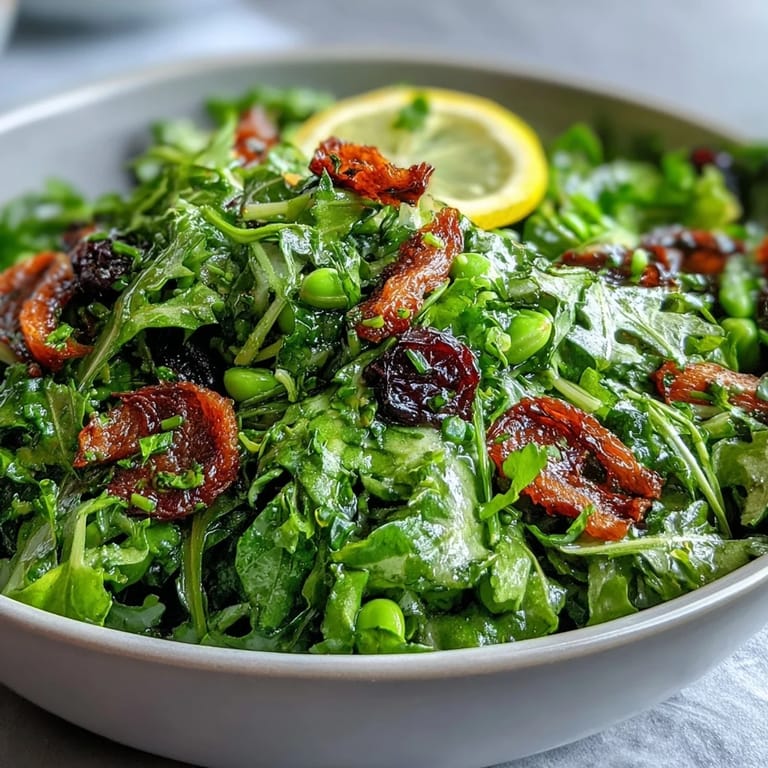
Save There's something almost meditative about eating a salad this simple and letting yourself actually taste the vegetables instead of working through layers of flavor. My son, who claims to hate salad, ate half the bowl one afternoon without realizing it wasn't something dressed up with bacon or croutons, and that small victory felt as bright as the lemon itself.
Why Radishes Deserve Better
Most people treat radishes like they're decorative, a garnish for something else, when they're actually one of spring's most generous vegetables. Sliced thin and dressed with something as clean as lemon vinaigrette, they become peppery and crisp and slightly sweet all at once—they're their own thing, not just a supporting character. Once you understand this, you start seeing them differently in the market and find reasons to use them everywhere.
Building Your Spring Salad Habit
The secret to eating more salads isn't finding recipes that taste like dessert—it's accepting that sometimes food can be simple and that simplicity is where real flavor lives. When you stop trying to make salad into something it's not and instead celebrate what greens and vegetables actually are, you'll find yourself craving it rather than forcing it onto your plate. The difference between eating salad because you think you should and eating it because it tastes like light and freshness is everything.
Making It Your Own
This salad is a template more than a prescription, and it thrives on small changes based on what's available and what you're in the mood for. Toast some sunflower seeds or sliced almonds for crunch if you need something more substantial, or add grilled chicken or salmon if you're looking for protein. These additions don't diminish the salad—they just make it more complete for whatever moment you're cooking it for.
- Try swapping the lemon vinaigrette for a lime version in summer, using lime juice and zest instead of lemon for a slightly different brightness.
- If you have fresh herbs like dill or tarragon, chop them and fold them in just before serving for a more herbal note.
- Always taste the vinaigrette before dressing the salad so you can adjust the lemon or salt to your preference.
 Save
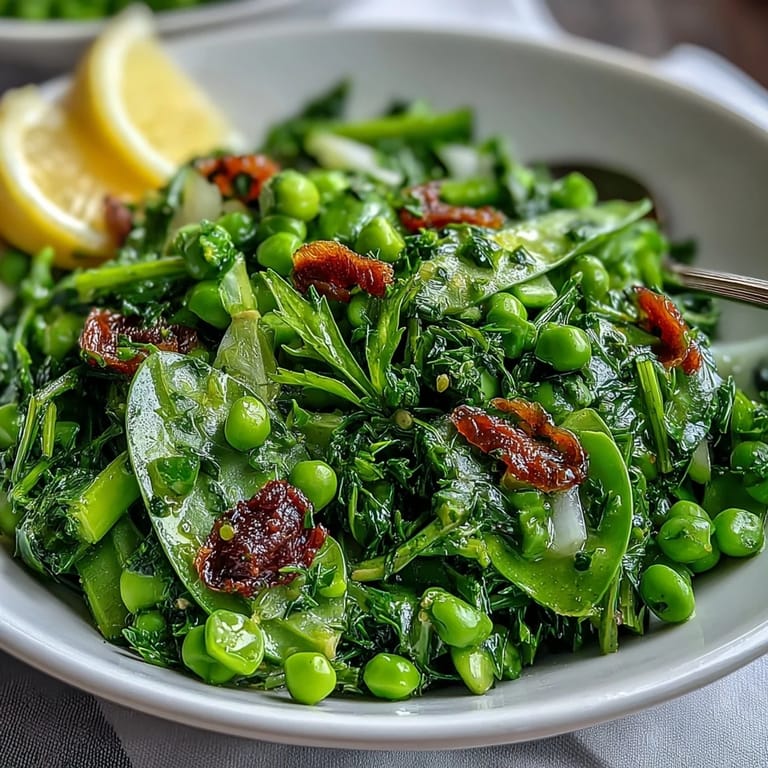
Save This salad lives in that beautiful place where eating well doesn't require performance or fussiness—just good vegetables, a bright dressing, and maybe five minutes of your time. It's become my answer to the question that hits most afternoons: what do we actually want to eat?
Recipe FAQs
- → How do I make the lemon vinaigrette?
Whisk together extra virgin olive oil, fresh lemon juice, grated lemon zest, Dijon mustard, honey, sea salt, and black pepper until emulsified for a bright, tangy dressing.
- → Can I substitute the feta cheese?
Yes, use vegan feta or omit it entirely to keep the dish dairy-free while maintaining its fresh flavor profile.
- → What greens work best in this salad?
Mixed spring greens like arugula, baby spinach, and watercress provide a tender, peppery base that complements the crisp peas and radishes.
- → How can I add crunch to this salad?
Toasted sunflower seeds or sliced almonds are excellent additions, providing a satisfying crunch and enhancing texture complexity.
- → Is this salad suitable for any particular dietary needs?
This salad is vegetarian, gluten-free, and can be made vegan by omitting the cheese. It's light and fresh, ideal for clean eating.
- → What dishes pair well with this salad?
Grilled chicken or salmon complement this salad nicely, and a crisp Sauvignon Blanc makes a refreshing beverage choice.