 Save
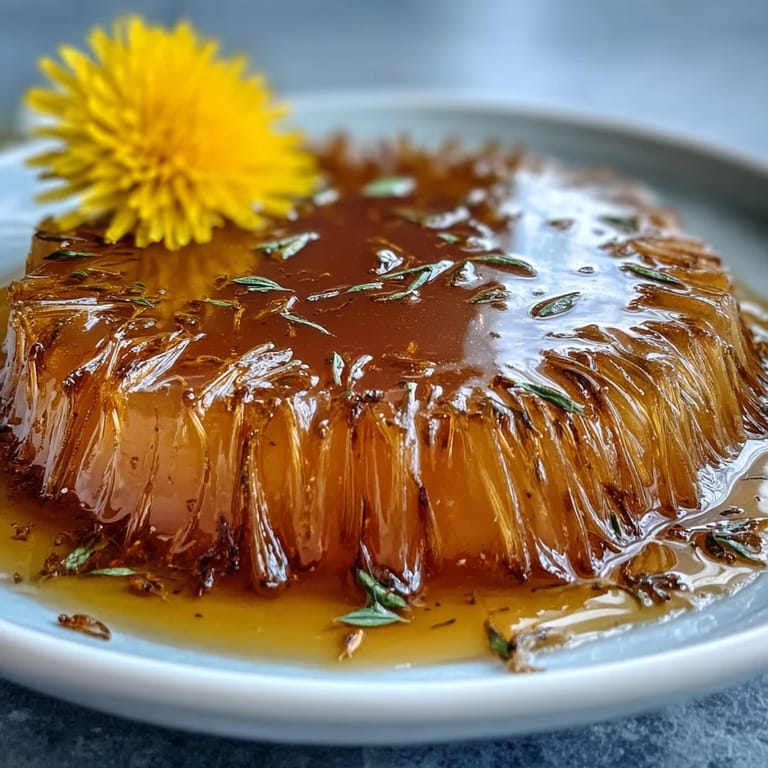
Save The first time I made dandelion jelly, bright yellow blossoms dotted my backyard and the air was sweet with spring. The process felt almost magical: gathering wild flowers, steeping petals, and hearing the soft simmer of golden liquid. It’s a recipe that surprises with its gentle honey-like flavor and the way it preserves a fleeting season in a jar. I always smile at how nature’s weeds transform into something so delightful for breakfast or dessert. There’s a wonder in realizing the ingredients grew just outside the door.
One rainy afternoon, my niece helped me pluck petals from dandelions, and we ended up giggling over our yellow-stained fingers. That batch filled the kitchen with a gentle grassy aroma and when it finally cooled, she insisted on tasting it with a tiny spoon. It’s a recipe that invites participation—kids love helping, and adults marvel at how simple flowers become dessert. I remember sharing the finished jars with neighbors, swapping stories about childhood gardens. Every time we make it, it feels communal and a little adventurous.
Ingredients
- Dandelion Petals: Pick fresh, pesticide-free dandelions and use only the yellow petals—removing green bits avoids bitterness and keeps the jelly floral.
- Water: Steeping petals in water draws out their unique flavor; use filtered water if possible for a clean taste.
- Lemon Juice: The acidity brightens and balances the sweetness, and I’ve found fresh juice adds the best aroma.
- Powdered Fruit Pectin: This gives the jelly its familiar wobble—be sure it’s a full box to guarantee proper set.
- Granulated Sugar: Essential for sweetness and gel structure; don’t skimp or the jelly won’t set well.
Tired of Takeout? 🥡
Get 10 meals you can make faster than delivery arrives. Seriously.
One email. No spam. Unsubscribe anytime.
Instructions
- Petal Prep:
- Rinse dandelion blossoms gently and pinch off only the yellow petals, leaving as little green as possible. It’s messy but worth it—the yellow gives the jelly its bright flavor and color.
- Make Dandelion Tea:
- Boil water, add petals, then steep off heat for at least 4 hours (overnight is even better). Your kitchen will smell earthy and clean as the petals release their essence.
- Strain Carefully:
- Pour the steeped liquid through cheesecloth or a fine sieve, pressing to get every drop. The liquid should be golden and slightly thick; compost the leftover petals.
- Cooking the Jelly:
- Combine strained tea, lemon juice, and pectin in a saucepan and bring to a rolling boil, stirring constantly. When bubbling, add sugar in one go—return to a hard boil for 1–2 minutes and watch as it bubbles vigorously before turning off the heat.
- Jar and Seal:
- Use a ladle to pour hot jelly into sterilized jars, leaving a bit of headspace. Wipe rims, seal tightly, and process jars in boiling water for 5 minutes, or refrigerate for quick enjoyment.
 Save
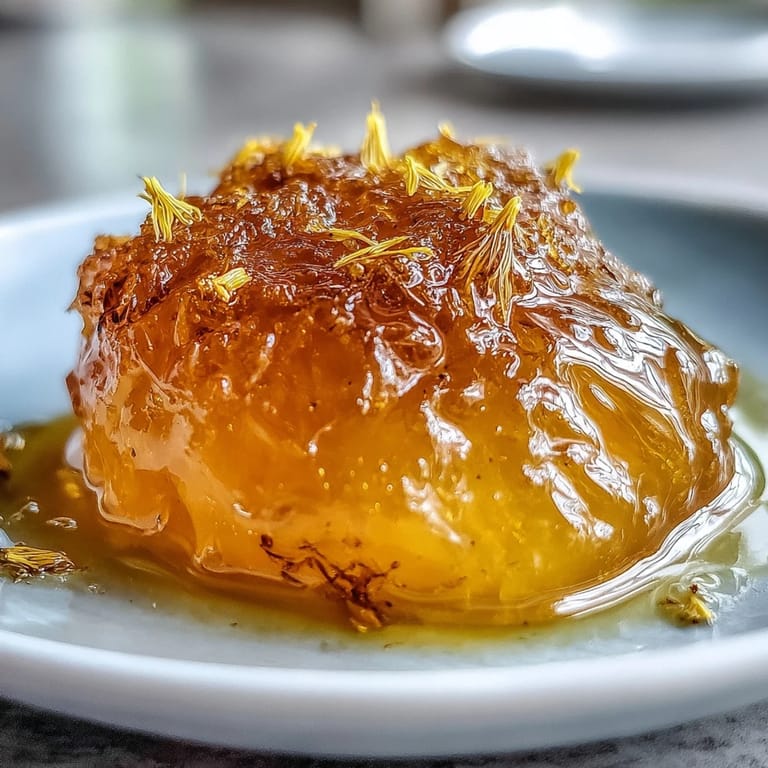
Save The true magic happened when we spread dandelion jelly on scones at a family brunch—everyone paused after the first bite, surprised at the gentle honey notes. For a moment, breakfast felt like a celebration of spring’s hidden treasures. I caught my sister sneaking extra jelly and laughing sheepishly, proof that it’s much more than a sweet spread.
A Colorful Transformation
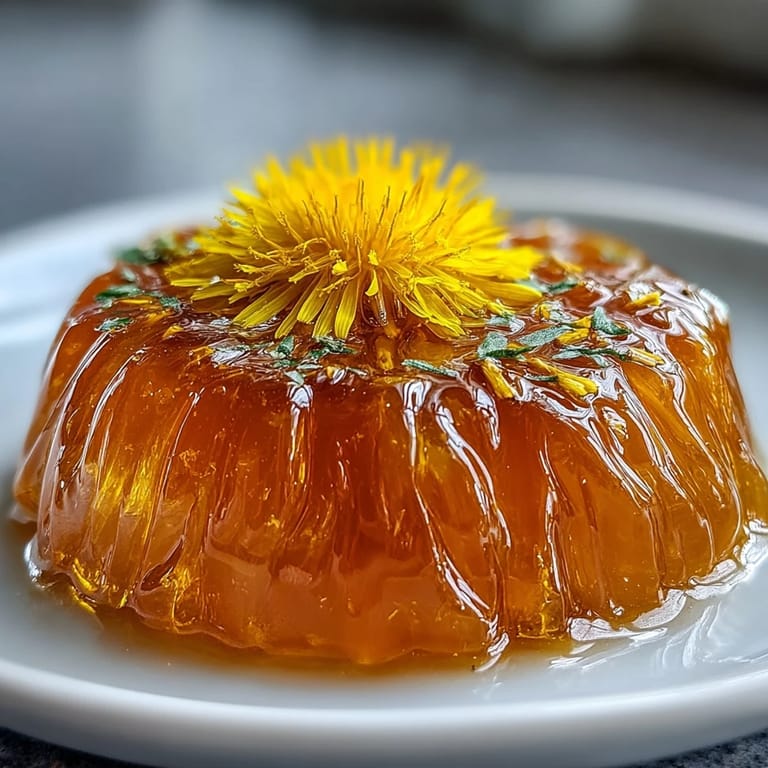
The golden hue always amazed me—the jelly starts cloudy, but becomes jewel-like as it cools. Patience pays off: I’ve learned that waiting for the set is part of the joy, and sometimes the color deepens overnight. It’s a subtle reward that never fails to brighten the shelf.
Flavor Experiments and Twists
Once I added a touch of orange zest, and the jelly gained a citrus sparkle that felt perfect for summer. Swapping in wildflower honey for part of the sugar gave a deeper, richer taste. It’s a recipe that loves small changes, which makes every batch feel personal.
Your Homemade Jelly Success Guide
Working with wild ingredients means trusting your senses and adjusting if needed—the aroma and flavor can vary each season. If your jelly seems too soft, don’t worry; a quick reboil with extra pectin works wonders. Keeping jars sterilized and tools clean is key, too—especially with a preserve this pretty.
- If your jelly didn’t set after a day, reheat and add a bit more pectin.
- Always pick dandelions away from roads or pesticides for safe jelly.
- Have an extra jar ready just in case you end up with more than you expect.
 Save
Save Dandelion jelly is a quiet celebration of spring’s renewal and a recipe that rewards care. I hope you share a jar with someone who’s never tasted it—it’s a conversation starter and a true treat.
Recipe FAQs
- → How do you source dandelion petals safely?
Pick flowers from pesticide-free areas. Only use yellow petals, avoiding green parts for a mild flavor.
- → What is the key flavor in dandelion jelly?
The dominant flavor is floral and honey-like, accentuated by subtle citrus notes from lemon juice.
- → How is the jelly texture achieved?
Powdered fruit pectin is boiled with dandelion tea and sugar to set the jelly, ensuring the right consistency.
- → Can the jelly be stored for long periods?
Properly processed jars are shelf-stable. Refrigerate if not using the hot water bath method for immediate use.
- → Is the spread suitable for special diets?
This jelly is vegetarian and gluten-free, containing no common allergens. Always check ingredient labels.
- → What tools are essential for preparation?
A large saucepan, fine mesh sieve or cheesecloth, sterilized jars, and ladle facilitate smooth jelly making.