 Save
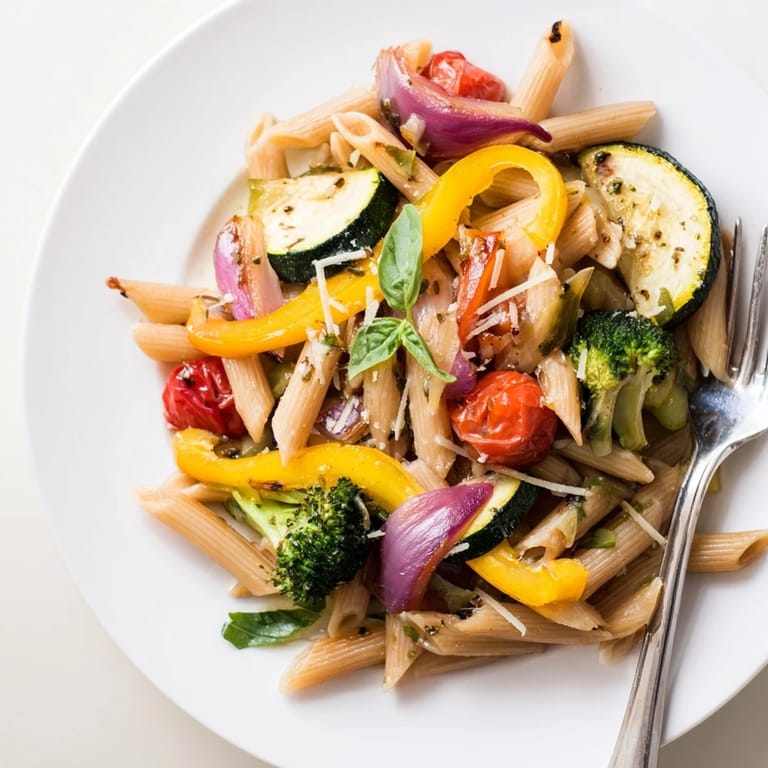
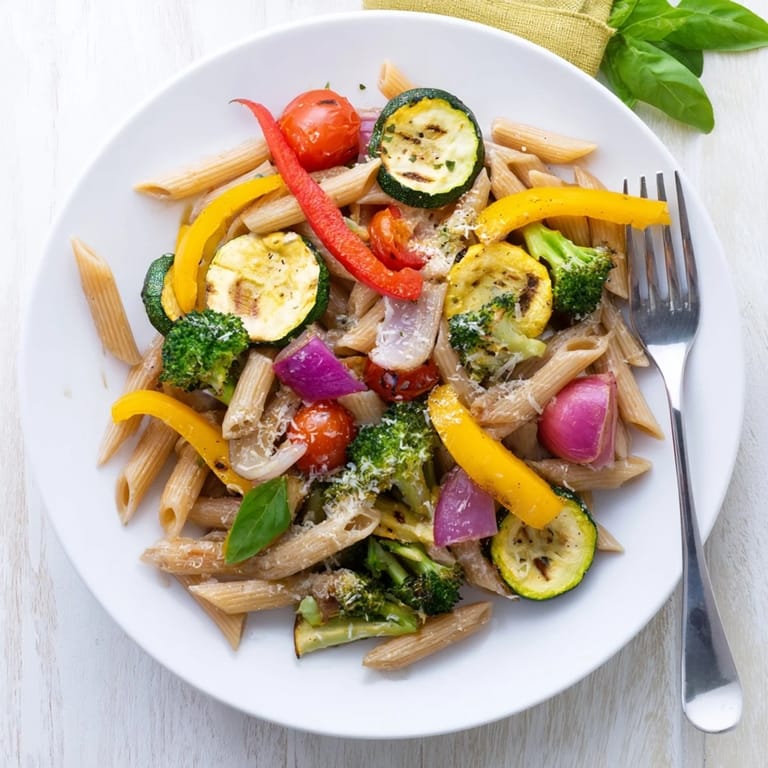
Save My kitchen counter was cluttered with peppers, zucchini, and a half-open box of penne when my neighbor knocked with a basket of tomatoes from her garden. I wasn't planning anything fancy, just clearing out the crisper drawer, but those tomatoes changed everything. What started as a weeknight cleanup became one of those meals where everyone went quiet at the table. The vegetables roasted until their edges crisped and sweetened, and the pasta soaked up all that olive oil and garlic like it had been waiting its whole life for this moment. Sometimes the best recipes aren't planned, they just happen when you trust what's in front of you.
I made this for my sister's birthday dinner one spring, and she still brings it up every time we talk about food. She'd been eating bland salads for weeks, convinced that healthy meant boring, and I wanted to prove her wrong. When she saw the baking sheet come out of the oven with everything blistered and golden, she actually gasped. We sat on the porch with bowls in our laps, and she told me it tasted like summer felt. That's when I realized vegetables don't need to be hidden or apologized for, they just need a hot oven and a little time.
Ingredients
- Penne or fusilli pasta: The ridges and curves catch all the olive oil and tiny bits of garlic, so every bite has flavor instead of it all pooling at the bottom of the bowl.
- Zucchini and yellow squash: They release just enough moisture while roasting to stay tender without turning mushy, and their mild flavor lets the other vegetables shine.
- Red and yellow bell peppers: Roasting them brings out a natural sweetness that balances the garlic and makes the whole dish feel bright and alive.
- Red onion: It softens and caramelizes in the oven, adding a gentle sweetness that weaves through every bite without overpowering anything.
- Cherry tomatoes: They burst in the heat and create these little pockets of tangy juice that cling to the pasta like a light, fresh sauce.
- Broccoli florets: The tips get crispy and almost nutty when roasted, adding texture and a slight bitterness that keeps the dish from feeling too sweet.
- Extra virgin olive oil: Use the good stuff here because it's not just cooking fat, it's the flavor that ties everything together and makes the pasta glossy and rich.
- Garlic: Fresh cloves sautéed just until fragrant fill the kitchen with that smell that makes everyone wander in asking when dinner will be ready.
- Italian herbs: Dried oregano, basil, and thyme bring that familiar Italian warmth without needing a long simmering sauce.
- Parmesan cheese: Freshly grated melts into the hot pasta and adds a salty, nutty finish that makes you want to twirl just one more forkful.
- Fresh basil or parsley: A handful of chopped herbs at the end wakes up all the roasted flavors and makes the whole dish feel like it just came from a garden.
Tired of Takeout? 🥡
Get 10 meals you can make faster than delivery arrives. Seriously.
One email. No spam. Unsubscribe anytime.
Instructions
- Get the oven ready:
- Preheat your oven to 220°C (425°F) and line a large baking sheet with parchment paper so nothing sticks and cleanup is just a matter of tossing the paper. A hot oven is key because it roasts the vegetables instead of steaming them, giving you those crispy, caramelized edges.
- Prep and season the vegetables:
- Spread the zucchini, squash, peppers, onion, tomatoes, and broccoli across the sheet in a single layer, drizzle with 2 tablespoons of olive oil, and toss with Italian herbs, salt, and pepper until everything glistens. Don't crowd them or they'll steam instead of roast, so use two sheets if you need to.
- Roast until golden:
- Slide the sheet into the oven and roast for 18 to 20 minutes, stirring once halfway through so everything browns evenly. You'll know they're done when the edges are blistered and the kitchen smells like a pizzeria.
- Cook the pasta:
- While the vegetables roast, bring a big pot of salted water to a boil and cook the pasta until it's al dente, with just a little bite left in the center. Before draining, scoop out half a cup of that starchy pasta water because it's the secret to making everything cling together later.
- Sauté the garlic:
- Heat the remaining tablespoon of olive oil in a large skillet over medium heat and add the minced garlic, stirring for about 30 seconds until it's fragrant and just starting to turn golden. Pull it off the heat right away because burnt garlic tastes bitter and ruins everything.
- Toss it all together:
- Add the roasted vegetables and drained pasta to the skillet and toss gently, adding splashes of the reserved pasta water to loosen everything and create a light, silky coating. The starch in the water helps the oil emulsify and cling to every piece of pasta.
- Finish and taste:
- Take the skillet off the heat and stir in half the Parmesan and a handful of chopped basil or parsley, then taste and add more salt or pepper if it needs it. Trust your instincts here because every batch of vegetables tastes a little different depending on the season.
- Serve warm:
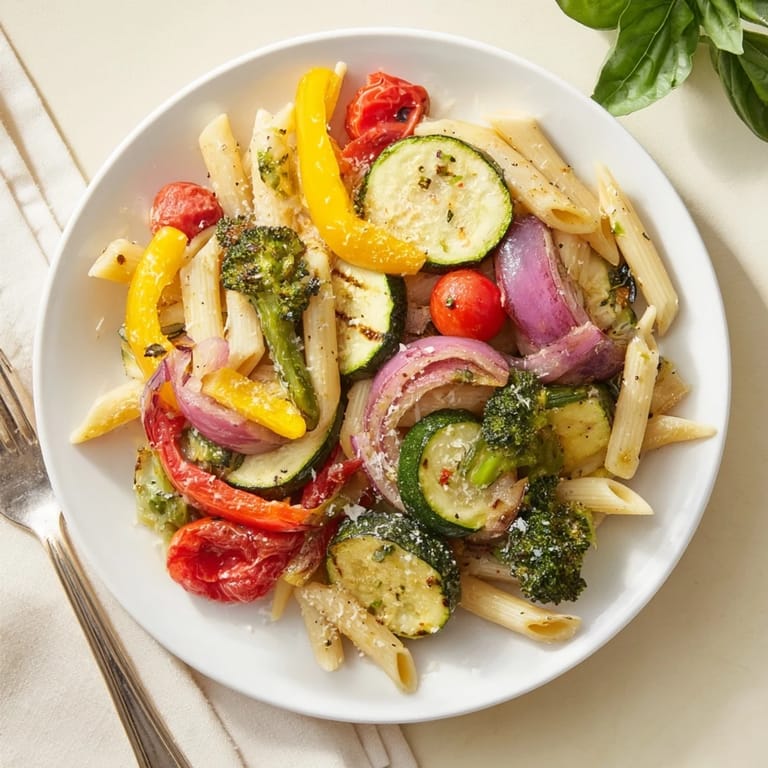
- Divide the pasta among bowls and top with the remaining Parmesan and extra herbs, adding a squeeze of lemon juice if you want a bright, citrusy kick. Serve it right away while it's still steaming and the cheese is melting into the noodles.
 Save
Save One rainy Tuesday, I made this for myself and ate it straight from the skillet with a glass of cold white wine. No table setting, no pretense, just me and a fork and the sound of rain on the windows. It tasted like taking care of yourself without making it complicated. That night I realized that cooking alone doesn't have to feel lonely, sometimes it's the most peaceful part of the day.
How to Choose Your Vegetables
The vegetables listed here are just a starting point, not a rulebook. I've made this in winter with roasted mushrooms and kale, in spring with asparagus and snap peas, and in late summer with eggplant and corn. The key is to pick vegetables that roast well and won't turn to mush, so avoid anything too delicate like spinach or lettuce. If you're not sure, just remember that anything that tastes good grilled will probably taste good roasted. Trust the seasons and use what looks best at the market, because fresh vegetables that are in their peak will always taste better than out-of-season imports that have been sitting in a truck for days.
Making It a Complete Meal
This dish is hearty enough to stand alone, but I've also served it with grilled chicken, sautéed shrimp, or even a handful of chickpeas tossed in with the vegetables. My brother likes to add Italian sausage, crumbled and crisped in a pan before stirring it in at the end. If you want to keep it vegetarian but add more protein, a can of white beans works beautifully and doesn't change the flavor at all. A simple side salad or some crusty bread to soak up the olive oil at the bottom of the bowl turns it into a meal that feels generous without being heavy.
Storing and Reheating
Leftovers keep in the fridge for up to three days in an airtight container, and I've found they actually taste better the next day when the flavors have had time to settle into the pasta. Reheat gently in a skillet with a splash of water or olive oil to loosen everything up, or just eat it cold straight from the container like I do when I'm standing at the counter at midnight. The pasta will soak up some of the moisture overnight, so don't be surprised if it looks a little dry at first. If you're planning to make this ahead, you can roast the vegetables in advance and store them separately, then toss everything together with freshly cooked pasta when you're ready to eat.
- Add a splash of pasta water or olive oil when reheating to bring back the silky texture.
- Cold leftovers make a surprisingly good lunch and don't need to be reheated if you're short on time.
- Store the Parmesan separately if you're meal prepping so it doesn't get soggy and clump together.
 Save
Save This is the kind of meal that reminds you cooking doesn't have to be stressful or perfect to be worth it. Just gather what you have, turn on the oven, and let the heat do the work.
Recipe FAQs
- → Can I prepare the vegetables ahead of time?
Yes, you can chop vegetables up to 24 hours in advance and store them in an airtight container in the refrigerator. However, roast them fresh just before serving for the best texture and flavor. You can also roast them earlier in the day and reheat gently before combining with pasta.
- → What vegetables work best for this dish?
Any seasonal vegetables work wonderfully. Spring brings asparagus and snap peas, summer offers zucchini and eggplant, fall features mushrooms and kale, and winter brings root vegetables. Aim for a colorful mix of firm vegetables that roast well and maintain their shape without becoming mushy.
- → How do I prevent the pasta from sticking together?
Reserve pasta water before draining and use it to loosen the dish as needed. The starch in the cooking water helps create a light sauce and prevents clumping. Toss everything together gently but thoroughly, and serve immediately for the best texture.
- → What can I add for extra protein?
Sautéed chicken breast, shrimp, or roasted chickpeas work wonderfully. You can also add white beans, tofu, or pine nuts for vegetarian protein options. Add protein after roasting vegetables or cook it separately to maintain proper texture.
- → Is this suitable for dietary restrictions?
This dish is naturally vegetarian and easily adaptable. Use gluten-free pasta for gluten sensitivity, omit or substitute Parmesan for dairy-free needs, and use plant-based alternatives. Always verify that packaged ingredients meet your dietary requirements.
- → What wine pairs well with this dish?
Crisp white wines complement the fresh vegetables beautifully. Pinot Grigio and Sauvignon Blanc are excellent choices, offering acidity that balances the richness of olive oil and Parmesan while enhancing the vegetable flavors.