 Save
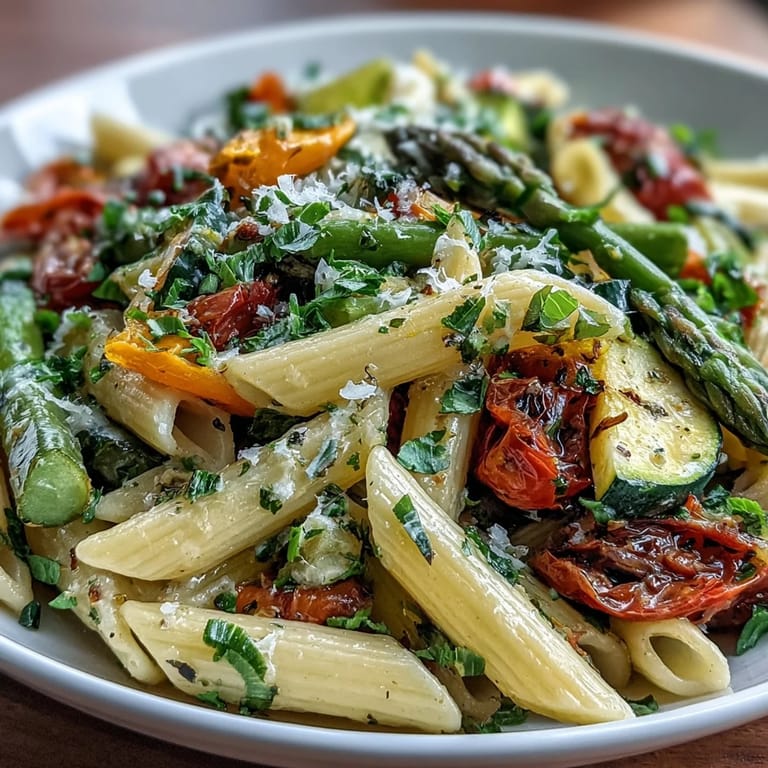
Save Early spring always brings a kind of restless optimism, and I find myself gravitating toward recipes that mirror that feeling. One rainy Thursday, I opened the kitchen window to let in the scent of budding lilacs and decided to raid my fridge for anything green and fresh. The result was a spontaneous Primavera, tossed together as thunder rumbled outside and the counter quickly filled with vibrant veggies. Cooking this dish feels like embracing the first warmth of the season, when you can't help but smile at the sight of asparagus. There&'s an infectious energy in the ritual of washing, slicing, and tasting every vegetable as you prep.
I ended up serving this for a casual lunch with friends who had just returned from a hike. The kitchen echoed with laughter as someone mischievously snuck a taste of pasta straight from the pot—there&'s something playful about cooking together when the ingredients are so colorful and inviting. Watching everyone pile their plates high and garnish with extra Parmesan reminded me how food can anchor an otherwise fleeting afternoon. That day, the dish disappeared quicker than I expected, and it instantly became my go-to for impromptu get-togethers.
Ingredients
- Pasta: Choosing penne or farfalle gives the sauce plenty of nooks to cling to, and I learned to salt the water generously for real flavor.
- Zucchini & Yellow Squash: These slice beautifully into half-moons, offering a tender bite and seasonal brightness.
- Asparagus: Snapping off the tough ends feels oddly satisfying, and asparagus turns sweet with a quick sauté.
- Cherry Tomatoes: Halved, they release their juices to sweeten the sauce; I pop one or two for a snack as I cook.
- Red Bell Pepper: Thin slices add a hint of crunch and color—I discovered they soften just right when added early enough.
- Peas: Fresh or frozen work; tossing them in at the end keeps their hue vivid and texture crisp.
- Garlic & Shallot: Sautéing these first ensures every bite has a fragrant foundation—don&'t rush this step.
- Fresh Basil & Parsley: Chopping these at the last minute releases their aroma—sometimes I use more than the recipe calls for simply because I love the scent.
- Lemon Zest & Juice: The zest brightens everything; I learned not to skip it after a couple dreary attempts without.
- Olive Oil: Good extra-virgin olive oil boosts both silkiness and flavor—drizzling it at the end feels almost ceremonial.
- Parmesan Cheese: Grate it fresh if you can; it melts smoothly into the pasta, and extra on top is always a winner.
- Salt, Pepper, Red Pepper Flakes: Seasoning thoughtfully is key—taste as you go, and add a pinch of heat if the mood strikes.
Tired of Takeout? 🥡
Get 10 meals you can make faster than delivery arrives. Seriously.
One email. No spam. Unsubscribe anytime.
Instructions
- Boil the Pasta:
- Fill a large pot with water and let it reach a roaring boil, generously seasoning it with salt as if it&'s seawater. Drop in the pasta and watch the bubbles dance, stirring once or twice to prevent sticking while you wait for it to turn perfectly al dente.
- Sauté Aromatics:
- Set your skillet over medium heat and pour in a swirl of olive oil; the sizzle of shallots and garlic signals you&'re on the right track. Let them soften just until their scent blooms, being careful not to let anything brown.
- Add Hard Veggies:
- Slide in the zucchini, squash, asparagus, and bell pepper—their colors jump alive in the pan as you stir gently. After a few minutes, they should be tender but still bright, almost tasting of sunshine.
- Toss in Tomatoes and Peas:
- Add the halved cherry tomatoes and peas, letting their sweetness mingle with the other vegetables. Stir and cook just until the tomatoes begin to burst and the peas are heated through.
- Combine Pasta and Veggies:
- Transfer your drained pasta right into the skillet, tossing everything gently together so every noodle is coated and speckled with veggies. Don&'t forget to reserve that cooking water—it's the lifeline for a silky sauce.
- Add Herbs and Sauce:
- Stir in the reserved pasta water, lemon zest, lemon juice, basil, and parsley, then drizzle over the last bit of olive oil. Taste and adjust salt, pepper, and a pinch of red pepper flakes, letting the freshness shine through.
- Finish with Parmesan:
- Remove from heat and fold in the Parmesan so it melts and envelops the pasta. Top each serving with another shower of cheese and herbs if you fancy, then serve immediately while it's still piping hot.
 Save
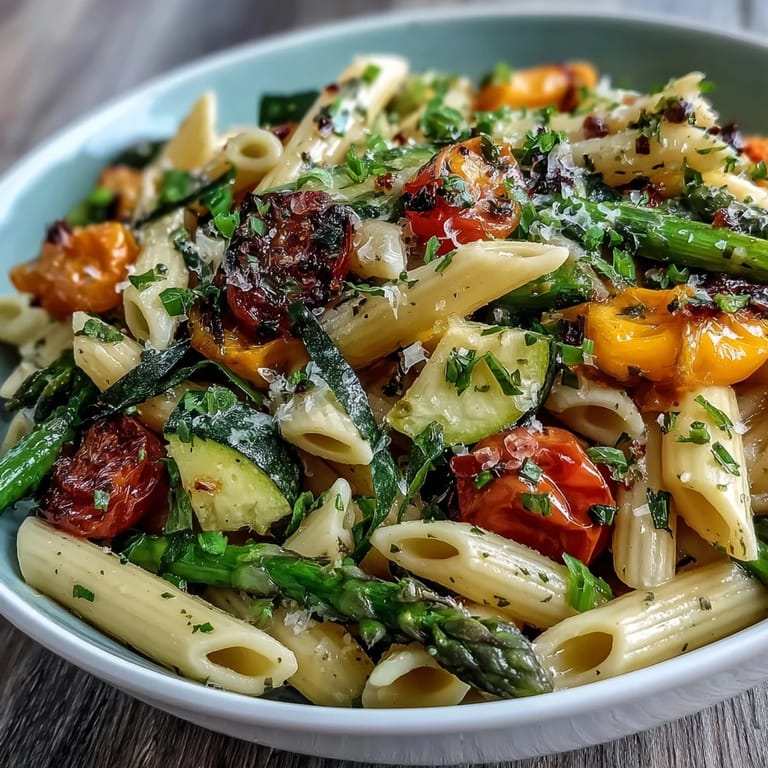
Save One evening, my neighbor wandered in as I plated the Primavera, drawn by the lemony aroma wafting into the hallway. We ended up sharing the meal right at the kitchen counter, swapping gardening tips and stories as we ate. That impromptu dinner felt less like just another recipe and more like community—sometimes, food bridges the gap between strangers.
Bringing Out Every Flavor
Letting the veggies sauté just long enough so they're crisp-tender makes all the difference; overcooking will dull their brightness. I've found adding herbs right at the end preserves their aroma, filling the kitchen with springtime freshness long after dinner. Lemon zest perks up the whole dish, so I always save a little for garnish.
Adapting to What&'s Fresh
Primavera is a recipe that's friendly to improvisation—a handful of baby spinach, snap peas, or even green beans fit right in. If you pick up something unexpected at the market, add it to your pan and taste as you go. The flexibility keeps the process enjoyable, and the result always feels new.
Pack It Up for Lunch Tomorrow
If you're lucky enough to have leftovers, they make a perfect lunch—just store in an airtight container and gently reheat with a splash of water. The flavors grow deeper overnight, so don&'t hesitate to double the recipe if you want extra. I've learned to prep everything ahead for busy days, which makes assembly a breeze.
- Reserve extra cheese for topping later.
- If packing, use a fork-twist to keep pasta tidy.
- Always refrigerate promptly to maintain freshness.
 Save
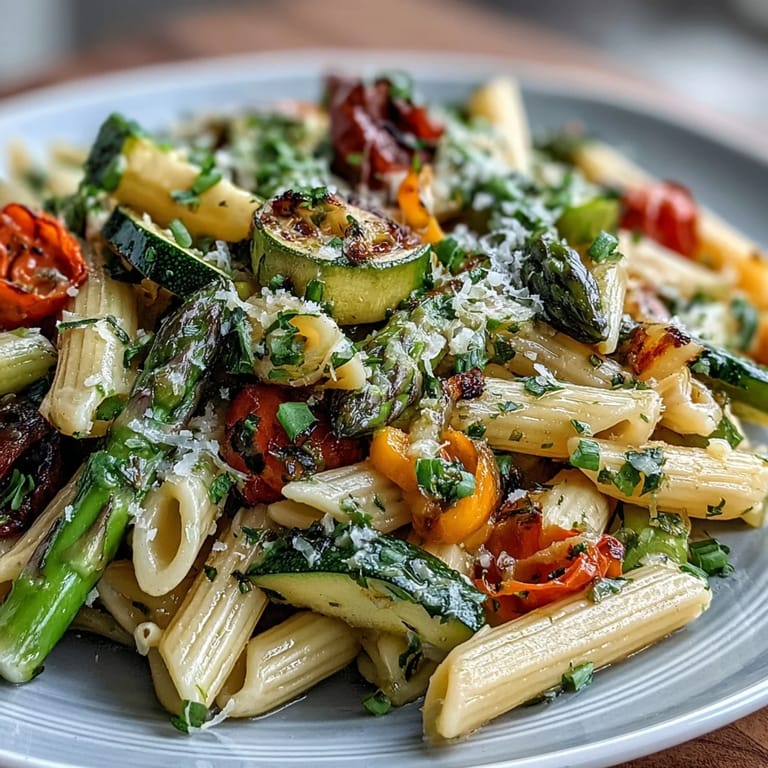
Save This Primavera makes any meal a celebration of spring's bounty. Share it with friends, and let the conversation linger as the kitchen fills with the scent of lemon and herbs.
Recipe FAQs
- → What type of pasta works best?
Penne or farfalle are ideal, but other short shapes like rigatoni or fusilli hold the sauce and veggies well.
- → Can I substitute vegetables?
Yes, snap peas, baby spinach, or other seasonal veggies add extra color and flavor to the dish.
- → How do I make it vegan?
Simply omit Parmesan cheese or choose a plant-based alternative for a fully vegan meal.
- → What is the best way to achieve al dente pasta?
Follow package instructions and check pasta a minute early for firmness, then drain but keep some cooking water.
- → How can I adjust the flavor?
Use extra lemon zest or red pepper flakes for brightness and heat. Finish with fresh herbs for extra aroma.
- → What wines pair well?
Pinot Grigio or Sauvignon Blanc complement the fresh vegetables and herby flavors beautifully.