 Save
Save My neighbor brought over a container of sourdough starter last spring, and I honestly didn't know what to do with it at first. Then one morning, standing in my kitchen with a bowl of that tangy, bubbly discard and a handful of fresh blueberries from the farmer's market, something clicked. Why not bake scones? The tartness of the sourdough would play beautifully against bright lemon and sweet berries, creating something that felt both comforting and a little bit special. That first batch came out of the oven golden and tender, and I knew I'd found exactly what to do with all that starter.
I made these for a small Easter brunch last year, and watching my mom take that first bite was everything. She closed her eyes for a second, then smiled and said the sourdough reminded her of the bread my grandmother used to make, but with this unexpected modern twist. That's when I realized these scones do something special—they connect the old ways of baking with what we're doing now, all in one warm, crumbly bite.
Ingredients
- All-purpose flour (2 1/4 cups): This is your structure, and measuring by weight keeps things consistent, but if you're using cups, spoon and level rather than scooping directly from the bag.
- Granulated sugar (1/4 cup): Just enough sweetness to balance the tartness without overwhelming the lemon and berries.
- Baking powder and baking soda (1 tablespoon and 1/2 teaspoon): The baking soda reacts with the acidic sourdough to lift these beautifully, so don't skip it or double it.
- Fine sea salt (1/2 teaspoon): Enhances all the flavors and makes the lemon sing; use it, trust it.
- Lemon zest (from 1 large lemon): This is where the magic starts—use a microplane and don't shy away, the oils in fresh zest are everything.
- Cold unsalted butter (1/2 cup, cubed): Cold butter creates those tender flakes, so keep it in the freezer until the last second and work quickly.
- Sourdough discard (1 cup, unfed and at room temperature): This gives you that subtle tang and incredible crumb; room temperature blends smoothly without lumps.
- Heavy cream (1/4 cup, plus more for brushing): Adds richness and helps bind everything together without making scones tough.
- Large egg (1): A binder that also contributes to that tender crumb structure.
- Pure vanilla extract (1 teaspoon): A quiet note that rounds out the flavor profile beautifully.
- Freshly squeezed lemon juice (2 tablespoons): Never use bottled here; fresh juice brightens everything and reacts with the baking soda for lift.
- Fresh blueberries (1 cup): Use them cold or frozen; freezing actually helps them hold their shape and prevents purple streaks throughout your dough.
- Coarse sugar (2 tablespoons, optional): Sprinkled on top, this creates little pockets of crunch and catches the light beautifully.
Tired of Takeout? 🥡
Get 10 meals you can make faster than delivery arrives. Seriously.
One email. No spam. Unsubscribe anytime.
Instructions
- Prepare your space and oven:
- Preheat to 400°F and line your baking sheet with parchment paper so you can focus entirely on the dough. Cold everything else in your kitchen helps too—even running your mixing bowl under cold water makes a difference.
- Build your dry base:
- Whisk together flour, sugar, baking powder, baking soda, salt, and lemon zest in a large bowl, making sure everything is distributed evenly. You'll actually smell the lemon at this point, which is a good sign you used fresh zest.
- Cut in the butter:
- Add your cold, cubed butter and use a pastry blender or your fingertips to work it in until the mixture looks like coarse breadcrumbs with some pea-sized pieces still visible. The butter is doing the work here—those little pieces create steam pockets that make scones tender, so resist the urge to blend it completely smooth.
- Combine the wet mixture:
- In another bowl, whisk together sourdough discard, cream, egg, vanilla, and lemon juice until everything is smooth and no lumps of starter remain. This step takes maybe a minute but it matters—lumpy starter won't incorporate evenly.
- Bring it all together:
- Pour the wet mixture into the dry ingredients and stir with a spatula just until combined, stopping as soon as you don't see dry flour. This is the hardest part because your instinct is to keep mixing, but overmixing makes tough scones.
- Fold in the berries:
- Gently fold in blueberries—if using frozen, add them straight from the freezer to minimize any color bleeding. A few purple swirls are fine and actually beautiful; just don't overstir.
- Shape the dough:
- Turn the dough onto a lightly floured surface and pat it into a 1-inch thick circle about 7 inches across using your hands, not a rolling pin. The dough should hold together but feel tender and slightly shaggy, which is exactly right.
- Cut and arrange:
- Using a sharp knife or bench scraper, cut the circle into 8 wedges like a pizza pie, then transfer each wedge to your prepared baking sheet with a little space between them. They'll expand slightly as they bake, so don't crowd them.
- Finish and bake:
- Brush the tops lightly with additional cream and sprinkle with coarse sugar if you want that sparkle. Bake for 18 to 22 minutes until golden brown on top and a skewer inserted into the center comes out clean.
- Cool with patience:
- Let them rest on the baking sheet for 5 minutes—they're still setting—then transfer to a wire rack. Eating them slightly warm is ideal, but waiting a few minutes prevents the berries from being molten.
 Save
Save There's something quietly profound about turning kitchen scraps—that sourdough discard you've been feeding but rarely using—into something people actually want to eat. My friend Sarah came over one Saturday morning, and the moment she walked in, she said the smell alone made her morning better. That's when I understood these scones aren't really about the ingredients; they're about showing up for people with something made by your own hands.
The Magic of Sourdough Discard
Before I started baking with sourdough discard, it felt wasteful to pour it out, and keeping it in my fridge made me feel guilty every time I opened the door. Using it here transforms that guilt into something delicious, and honestly, it's changed how I think about baking. The tanginess it brings is subtle but unmistakable—not sour in an aggressive way, but with a depth that makes you pause and take another bite. You're getting all the flavor development of a long fermentation without needing to plan days in advance.
Lemon as the Backbone
I learned the hard way that lemon works best when you use it three ways here: zest for brightness, fresh juice for tang, and the interaction between that juice and the baking soda for lift. The first time I made these, I only used zest and skipped the juice, and they were flat and dense. The zest alone gives you the aroma, but the juice is what really wakes everything up, cuts through the richness of the butter and cream, and actually helps the scones rise. Now I always squeeze my lemon right before I need it—bottled juice is convenient but it loses something important.
Storage and Next-Day Magic
These scones are best eaten fresh from the rack while they're still slightly warm and the butter is at its most tender, but I've found they keep beautifully for a day or two in an airtight container. If you have leftovers, a quick 30-second microwave warm-up next morning brings them almost back to life, or slice one in half and give it a light toast. Some mornings I'll intentionally bake these a day ahead just so I have something special waiting—it's a small gift to future me.
- Store in an airtight container at room temperature, and they'll stay tender for up to 2 days.
- You can also freeze the baked scones for up to a month; thaw at room temperature or warm gently in the oven.
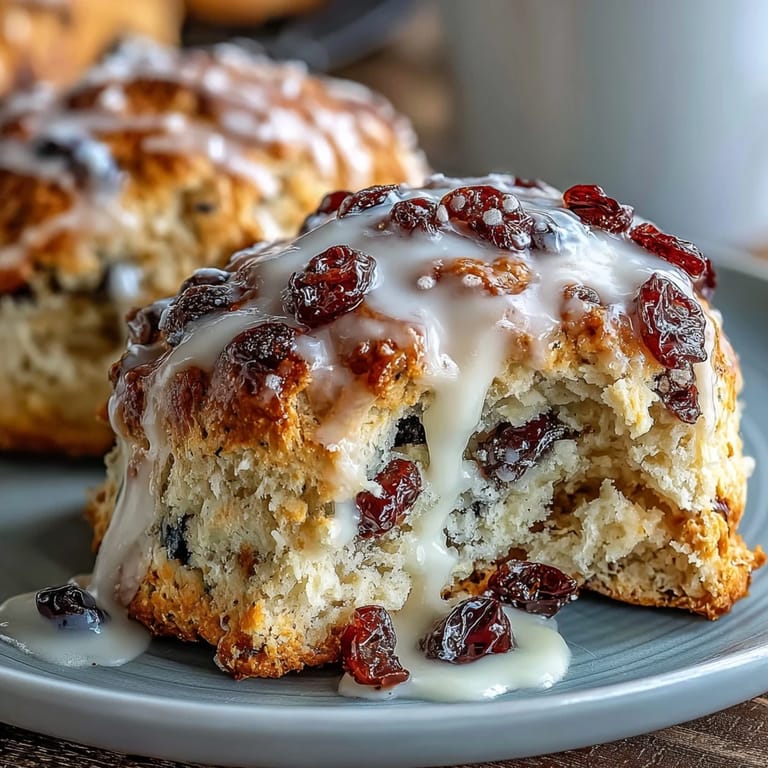
- If you want to get fancy, make a simple lemon glaze with powdered sugar and fresh lemon juice to drizzle over cooled scones.
 Save
Save These scones remind me why I love baking in the first place: you take simple things—flour, butter, a handful of berries—and through a little care and attention, you create something that feeds both hunger and the soul. Make them for someone you love, or just for yourself on a quiet morning.
Recipe FAQs
- → Can frozen blueberries be used?
Yes, frozen blueberries can be folded in directly to avoid bleeding and staining the dough.
- → What does sourdough discard add?
Sourdough discard imparts a subtle tang and tender texture without overpowering the other flavors.
- → How should the dough be handled?
Mix until just combined and gently fold in blueberries to keep the scones tender and fluffy.
- → Can cream be substituted?
Buttermilk can be used in place of cream for a slightly different flavor and texture.
- → What oven temperature is best for baking?
Bake at 400°F (200°C) to achieve a golden crust while keeping the interior moist.