 Save
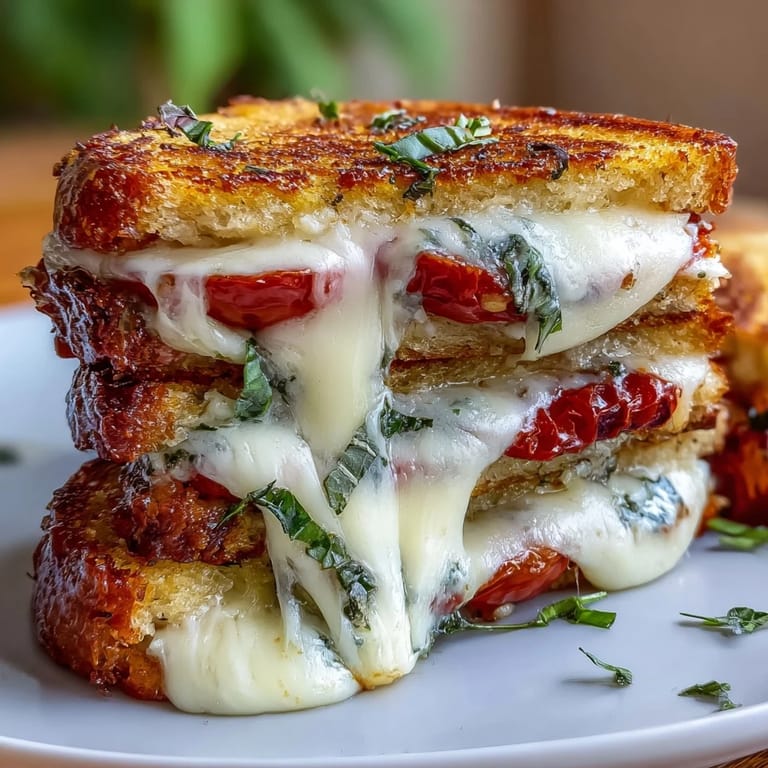
Save My neighbor knocked on the door one afternoon with a bag of the most beautiful tomatoes from her garden, still warm from the sun. I had fresh mozzarella in the fridge and a loaf of sourdough sitting on the counter, and suddenly I wasn't just making lunch—I was building something that tasted like summer between two slices of bread. That first bite, with melted cheese pooling around warm tomato and basil, changed how I thought about grilled cheese entirely. Now whenever I make these, I'm back in that moment, and my kids are always asking for the strips instead of a whole sandwich.
I made these for my daughter's book club on a rainy evening, and watching eight women dip strips into marinara while debating the last chapter of their novel reminded me that food doesn't have to be complicated to bring people together. One guest asked for the recipe before she even finished her second sandwich, and now she makes them for her own gatherings. That's when I knew this wasn't just a recipe—it was something worth sharing.
Ingredients
- Bread & Dairy: Eight slices of sourdough or country white bread give you structure and tang, while fresh mozzarella (not the pre-shredded kind) melts into creamy pockets of luxury that define this sandwich.
- Fresh Mozzarella: Eight ounces sliced thick enough to hold up to heat without disappearing into the bread—this is where quality matters most.
- Unsalted Butter: Three tablespoons softened and spread on the outside creates that golden, crispy exterior that makes you close your eyes on the first bite.
- Ripe Tomatoes: Two medium ones, sliced thin, are the star player here—choose ones that smell fragrant and feel heavy for their size.
- Fresh Basil: Half a cup of leaves torn by hand rather than chopped, releasing their oils as you layer them into the sandwich.
- Marinara Sauce: One cup warmed before serving; store-bought is perfectly fine, or use your own if you have it hanging around.
- Salt & Pepper: A light hand with both, remembering that the tomatoes and basil already carry flavor.
- Olive Oil: One tablespoon optional but worth it if you want extra crispness on the outside.
Tired of Takeout? 🥡
Get 10 meals you can make faster than delivery arrives. Seriously.
One email. No spam. Unsubscribe anytime.
Instructions
- Heat your skillet patiently:
- Turn the heat to medium and let the skillet warm for a minute or two—you want it hot enough that butter sizzles immediately when it touches the surface, but not so hot that the bread burns before the cheese melts inside.
- Butter your bread strategically:
- Lay out all eight slices and spread softened butter on one side of each piece, getting into the corners where the crust meets the crumb for even browning.
- Build your filling with intention:
- On the unbuttered side of four slices, layer mozzarella first, then tomato, then basil—this order keeps the tomato juice from soaking straight into the bread.
- Season as you go:
- Sprinkle salt and pepper right over the tomatoes and basil, letting gravity distribute the seasoning evenly across the layers.
- Cap and prepare:
- Place the remaining four bread slices on top, buttered side facing outward, creating a sealed package ready for the skillet.
- Optional oil application:
- If using olive oil, brush it lightly over the buttered exteriors for extra crispness and golden color.
- Cook with gentle pressure:
- Place sandwiches in the hot skillet and cook for three to four minutes until the bottom is golden and you can smell that toasted aroma rising up. Flip gently and cook the other side the same way, pressing down lightly with a spatula to help the cheese melt and distribute.
- Rest before slicing:
- Let the sandwiches cool for a minute or two on a cutting board so the cheese sets slightly and the hot tomato juice doesn't run everywhere when you cut.
- Slice into dippers:
- Use a serrated knife and cut each sandwich into three or four strips, cutting on a slight angle if you want them to look restaurant-ready.
- Serve immediately with sauce:
- Arrange the strips on a plate with a small bowl of warm marinara in the center, letting people dip as they eat.
 Save
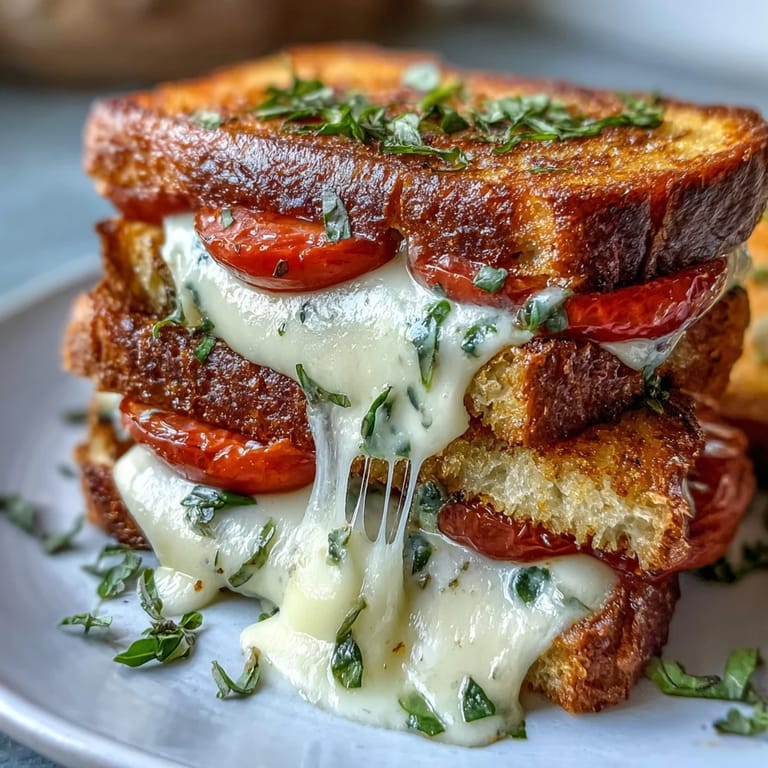
Save There's a moment during cooking when the butter stops foaming and you hear that gentle sizzle settle into a contented sound—that's when you know everything is happening exactly right in that skillet. I chase that moment every time I make these, because it signals that the sandwich is about to transform into something golden and melting and irresistible.
Why Fresh Basil Changes Everything
The first time I tried this with dried basil, thinking it would save a step, the sandwich tasted like something was missing—like someone had whispered the flavor instead of speaking it out loud. Fresh basil brings a peppery brightness and subtle anise note that dried basil simply cannot replicate, and it's worth seeking out a good bunch even if you have to make an extra trip to the market. Tear the leaves by hand rather than chopping them; you'll rupture fewer cells and preserve more of that volatile, fragrant oil that makes all the difference.
The Tomato Question
Season matters more than you'd think when it comes to tomatoes—buy them when they're at their peak, and if you can find heirloom varieties at a farmer's market, you'll taste why people get sentimental about homegrown tomatoes. A pale, mealy supermarket tomato will make this sandwich taste mediocre, but a ripe, fragrant one will make it sing. If it's winter and good tomatoes feel impossible to find, this is actually when I make other things instead, waiting for tomato season to arrive before I revisit this recipe.
Variations & Additions
The beauty of this sandwich is how welcoming it is to your own tweaks and preferences—I've added balsamic glaze (brushed on the tomatoes before building the sandwich), crispy prosciutto, or even thin slices of red onion for a sharper note. One friend of mine makes hers with burrata instead of fresh mozzarella, and it's decadent in an entirely different way. Here's what I've learned from experimenting:
- Balsamic glaze drizzled on the tomatoes adds a sophisticated sweetness that elevates the whole thing, but use it sparingly so it doesn't overwhelm.
- A thin layer of pesto spread on the bread before adding mozzarella turns this into something more herbaceous and complex.
- If you want to make it heartier, crispy prosciutto between the cheese and tomato adds salt and umami that makes people ask for seconds immediately.
 Save
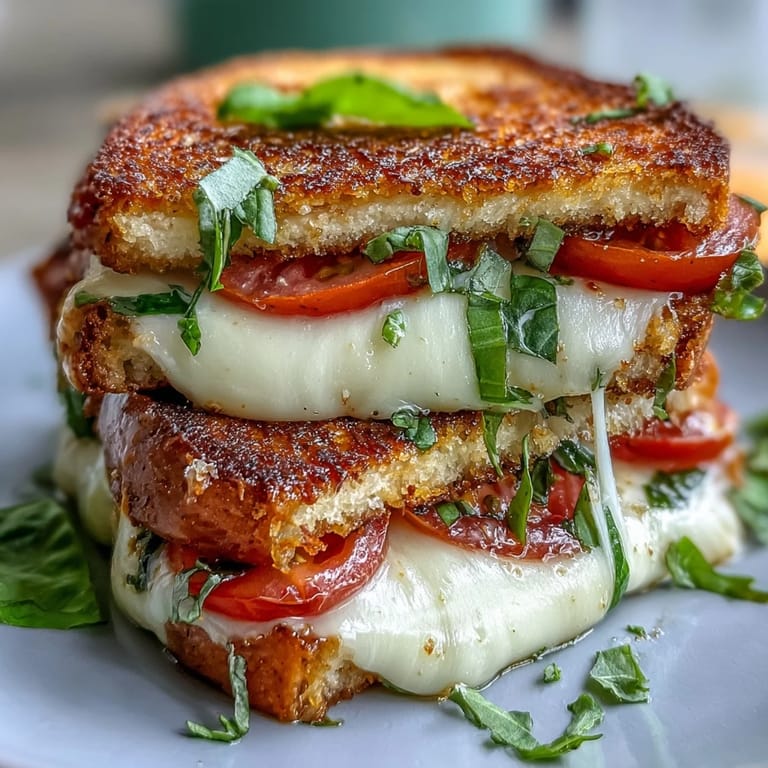
Save These sandwiches remind me that sometimes the best food comes from working with what's already in your kitchen and letting a simple idea bloom into something special. Make them when you have good tomatoes, good cheese, and people around your table who appreciate the simple pleasure of dipping something warm and melted into tangy sauce.
Recipe FAQs
- → What type of bread works best?
Sourdough or country white bread provides the ideal structure and flavor. These sturdy slices hold up well to grilling while developing a satisfying crunch. Whole wheat or gluten-free alternatives can be substituted based on dietary needs.
- → Can I make these ahead of time?
For best results, assemble and grill just before serving. However, you can prepare all ingredients in advance—slice the cheese, tomatoes, and bread separately. The sandwiches cook quickly, so last-minute preparation takes only minutes.
- → What other dipping sauces work well?
Beyond marinara, try pesto for an extra basil kick, balsamic glaze for sweetness, or a simple garlic aioli. A light tomato soup also creates a comforting pairing reminiscent of classic grilled cheese combinations.
- → How do I prevent the bread from burning?
Use medium heat to allow the cheese to melt completely before the bread browns too much. Press gently while cooking to ensure even contact with the skillet, and flip carefully once golden—typically 3-4 minutes per side.
- → Can I add other ingredients?
Fresh variations include adding prosciutto for a meaty version, spinach for extra nutrition, or a sprinkle of parmesan for enhanced umami. A drizzle of balsamic glaze over the tomatoes before grilling adds depth and sweetness.
- → What's the best way to slice the sandwiches?
Let the sandwiches rest for 1-2 minutes after cooking to prevent cheese from oozing out. Use a sharp bread knife and slice with gentle sawing motions. Cut each sandwich into 3-4 even strips for uniform dipping portions.