 Save
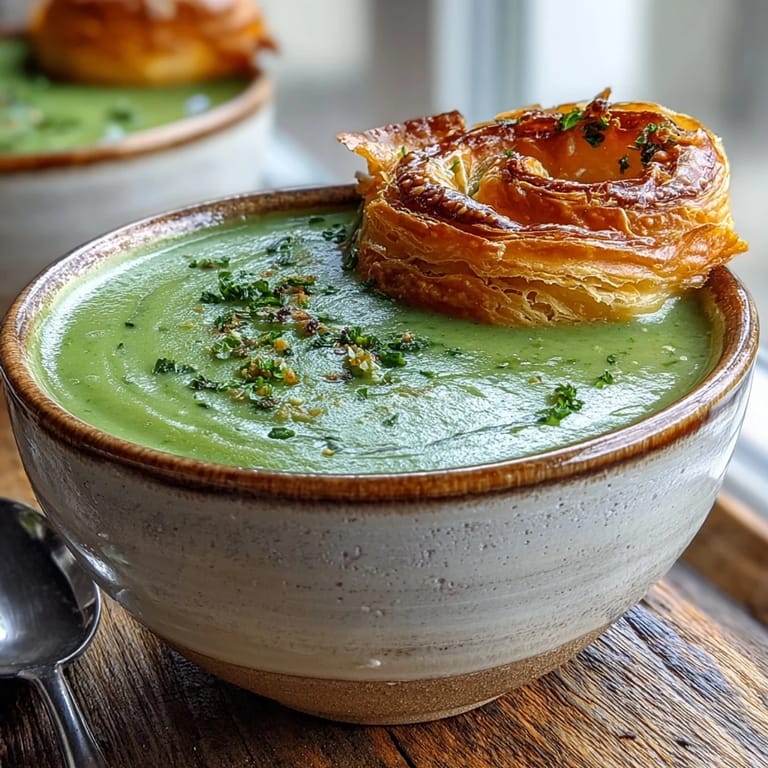
Save There's something about autumn that makes me crave soups that taste like they took hours to make but didn't. One crisp October evening, I threw together butternut squash, broccoli, and cream without much of a plan—just knew I wanted something warm and elegant. The magic happened when I pulled golden, cheese-filled pastries from the oven at the exact moment the soup finished blending, and my kitchen smelled like butter and nutty sweetness all at once. My partner walked in, took one look at the steaming bowls topped with those flaky pastries, and asked if I'd been secretly taking cooking classes. I hadn't, but the combination felt so right that I've made it countless times since.
I served this to my in-laws last winter, and my mother-in-law actually stopped mid-conversation to ask for the recipe. She'd been skeptical about vegetarian soups until that moment—the richness of the brie and cheddar pastries paired with the silky soup converted her completely. That night taught me that good food speaks louder than any explanation ever could.
Ingredients
- Olive oil: use a good quality one since it's tasted directly in the base—it matters more than you'd think.
- Butternut squash: the star ingredient that gives the soup its natural sweetness and velvety body without any cream doing the heavy lifting.
- Broccoli florets: adds earthiness and keeps things balanced so the soup doesn't taste one-note.
- Potato: functions as a thickener while staying subtle in flavor, something I learned after one too many grainy soups.
- Vegetable broth: quality matters here—use the best you can find because it's the backbone of the whole dish.
- Heavy cream: finish only, added at the end so it stays luxurious and doesn't cook down into nothing.
- Dried thyme: the quiet herb that makes everything taste intentional.
- Puff pastry: thaw it properly before working with it, and don't skip the parchment paper when baking.
- Brie and sharp cheddar: brie melts into silken pockets while cheddar holds its flavor—together they're unstoppable.
- Egg wash: a beaten egg creates that glossy, golden exterior that makes people lean in for a bite.
Tired of Takeout? 🥡
Get 10 meals you can make faster than delivery arrives. Seriously.
One email. No spam. Unsubscribe anytime.
Instructions
- Heat your oven and prep your workspace:
- Get the oven to 200°C (400°F) and line your baking sheet with parchment paper so your pastries don't stick later. This small step saves frustration.
- Build the soup base:
- Heat olive oil in your pot over medium heat, then add diced onion and listen for that soft sizzle—cook for 3-4 minutes until it turns translucent and sweet-smelling. Add minced garlic for just one more minute so it releases its flavor without burning.
- Add your vegetables and seasonings:
- Toss in the butternut squash cubes, broccoli florets, diced potato, and dried thyme all at once. Stir everything for about 2 minutes so the thyme coats everything and the vegetables start to smell incredible, then season generously with salt and pepper.
- Simmer until tender:
- Pour in your vegetable broth and bring it to a boil—you'll see little bubbles racing to the surface. Then reduce heat and let it simmer gently for 20-25 minutes until all the vegetables are soft enough to break apart with a fork.
- Prepare the cheese pastries:
- While the soup simmers, roll out your thawed puff pastry on a lightly floured surface and cut it into 8 rectangles. Place small cubes of brie and a pinch of grated cheddar on 4 rectangles, then press the other rectangles on top and seal the edges firmly with a fork—this keeps the cheese from leaking out during baking.
- Bake until golden:
- Brush the pastry tops with beaten egg wash (this creates that beautiful golden shine), place them on your prepared baking sheet, and bake for 15-18 minutes until they're puffed and deeply golden. The kitchen will smell unbelievable.
- Blend your soup smooth:
- Once the vegetables are completely tender, carefully use an immersion blender to puree the soup until it reaches that silky, velvety consistency. If using a regular blender, work in batches and be cautious with the hot liquid—let it cool slightly first.
- Finish with cream and season:
- Stir in your heavy cream and taste carefully, adjusting salt and pepper as needed. Gently reheat for 2-3 minutes without boiling so the cream stays luscious.
- Plate and serve:
- Pour hot soup into bowls and place a warm cheese pastry on the side or partially dipped into the soup so each spoonful gets both textures. Watch someone enjoy it—this part never gets old.
 Save
Save The first time someone dunked a warm pastry into the soup and watched the cheese strings stretch was when I realized this dish had become more than just dinner—it was a little moment of indulgence we all needed. That's the real recipe here.
The Secret to Silky Soup
The trick I discovered after making this dozens of times is that butternut squash naturally creates creaminess as it breaks down, so you need less cream than you'd expect. The potato acts as an invisible thickener, absorbing liquid and creating that velvety texture without tasting starchy. I learned this the hard way after overseasoning the first batch—now I always taste before adjusting salt and pepper, because the vegetables release their own subtle flavors as they soften.
Pairing and Serving Ideas
This soup pairs beautifully with a crisp white wine like Sauvignon Blanc, where the acidity cuts through the richness and cleanses your palate between spoonfuls. A simple green salad with a sharp vinaigrette on the side balances the creamy soup perfectly, and honestly, that's all you need for a complete meal. I've also served it alongside crusty bread for guests who like to dip, and everyone ends up doing that anyway.
Making It Your Own
This recipe loves experimentation—I've added a tiny pinch of nutmeg when the weather feels especially cold, and it transforms the flavor into something almost dessert-like and deeply comforting. A whisper of ground ginger works too if you want warmth without sweetness, and I once stirred in crispy sage leaves at the very end, which added an unexpected textural surprise. For a vegan version, plant-based cream and cheese alternatives work seamlessly, though you'll want to check that your puff pastry is egg-free since most commercial ones aren't.
- Nutmeg and ginger are optional but powerful: add just a pinch so they enhance rather than announce themselves.
- These pastries are best served warm: make them earlier if needed and reheat gently in the oven for 3-4 minutes before serving.
- The soup keeps beautifully in the fridge: store it separately from the pastries and reheat gently on the stovetop, never boiling.
 Save
Save This soup feels like a hug in a bowl, especially when autumn winds pick up outside your kitchen window. It's one of those dishes that reminds you why cooking for people matters so much.
Recipe FAQs
- → Can I make this soup ahead of time?
Yes, the soup can be prepared up to 3 days in advance and stored in the refrigerator. Reheat gently on the stovetop, adding a splash of broth or cream if needed. Prepare the pastries fresh before serving for best texture.
- → What can I substitute for butternut squash?
Sweet potato, pumpkin, or acorn squash work beautifully as alternatives. They provide similar sweetness and creamy texture when blended. Adjust cooking time as needed based on the vegetable's density.
- → How do I prevent the pastries from getting soggy?
Serve the pastries on the side rather than directly in the soup. If you prefer them partially dipped, do so just before serving and eat immediately while they're still crisp and flaky.
- → Can I freeze this soup?
The soup freezes well for up to 3 months before adding the cream. Thaw overnight in the refrigerator, reheat, then stir in fresh cream. The pastries are best enjoyed fresh and don't freeze well once baked.
- → What other cheeses work in the pastries?
Goat cheese, gruyere, fontina, or mozzarella are excellent alternatives. Mix different cheeses for varied flavor profiles, or use a single type based on your preference.
- → How can I make the soup thicker or thinner?
For thicker consistency, add an extra potato or reduce the broth slightly. For a thinner soup, add more vegetable broth or cream after blending until you reach your desired consistency.