 Save
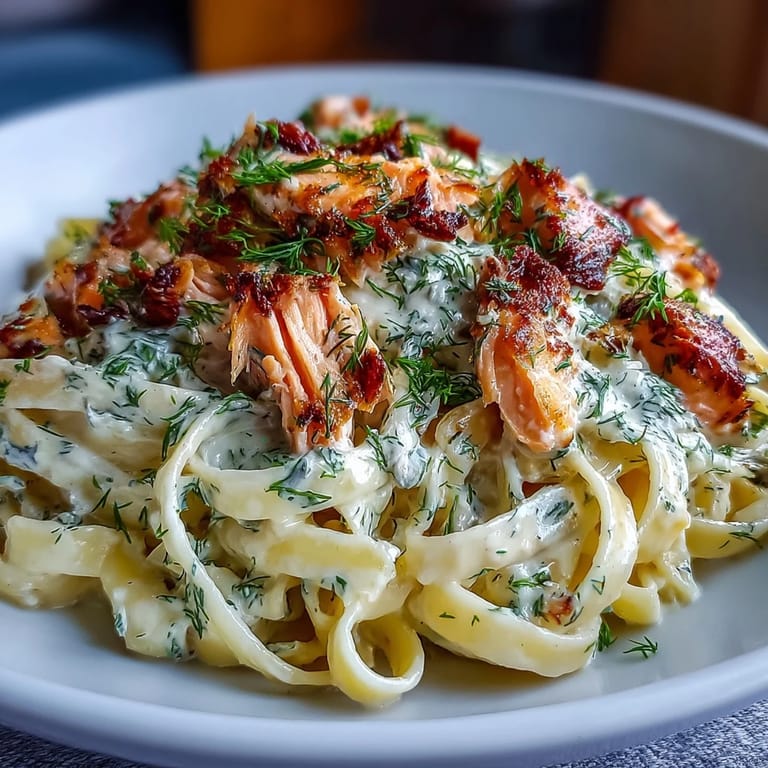
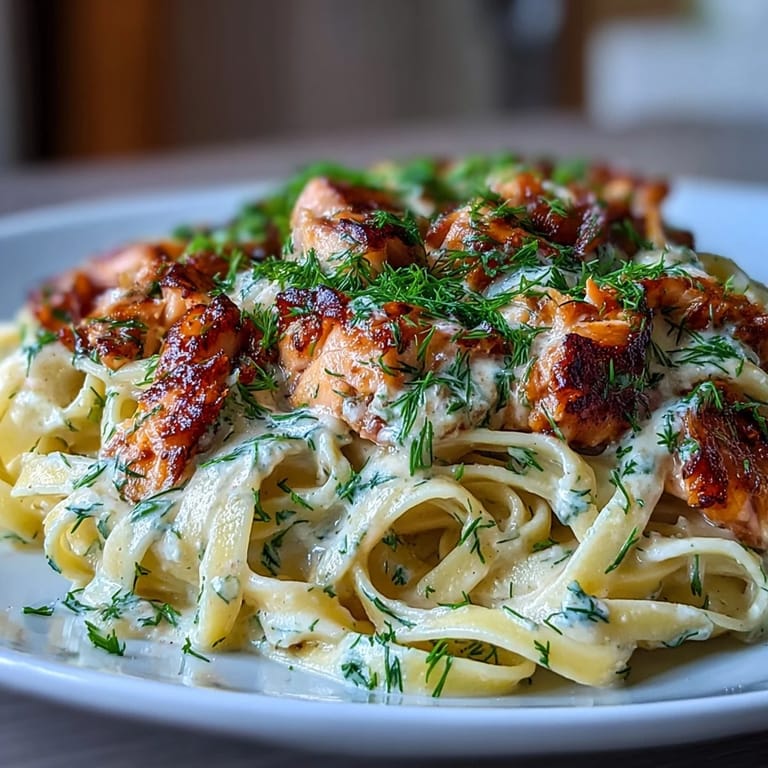
Save There's something about the smell of butter and garlic hitting a hot pan that makes you feel like you've got your life together, even if you're cooking dinner at 7 PM on a Tuesday with no real plan. That's exactly the mood I was in when I first threw together this creamy salmon pasta, and somehow it turned into one of those dishes that's now permanently in rotation. The salmon gives it substance without feeling heavy, the lemon keeps everything bright, and honestly, it comes together faster than ordering takeout.
I made this for my sister the night she got a promotion, and she took one bite and just went quiet for a second. Then she asked for the recipe, which is basically the highest compliment anyone can give you in the kitchen. Since then, it's become her go-to dinner when she wants to impress someone without spending hours cooking.
Ingredients
- Fettuccine or spaghetti (350 g): The shape doesn't matter as much as cooking it to that perfect al dente texture where it still has a slight resistance. Save that pasta water like it's liquid gold because it's what transforms the sauce from thick to silky.
- Unsalted butter (2 tbsp): This is your flavor foundation, so don't skip it or substitute with oil. It emulsifies with the cream and creates that luxurious mouthfeel that makes people wonder if you went to culinary school.
- Garlic and shallot: The garlic gets minced fine so it dissolves into the sauce, while the shallot adds a subtle sweetness that butter and cream love.
- Heavy cream (200 ml): Full-fat cream is non-negotiable here, as lower-fat versions can split or become grainy when combined with acid like lemon juice.
- Dijon mustard (1 tsp): Just a small amount, but it adds a sharp note that prevents the sauce from tasting one-dimensional and bland.
- Lemon zest and juice: The zest goes in early to flavor the cream, while fresh juice goes in at the end so you get those bright bursts that cut through the richness.
- Hot-smoked salmon (150 g): Look for pieces that are already smoked and cooked, not the raw kind. Flake it gently with a fork so you get nice, irregular pieces instead of salmon paste.
- Parmesan cheese (30 g): Use a microplane to grate it fresh, as pre-grated cheese has anti-caking agents that make the sauce grainy.
- Fresh dill or parsley: Dill is classic with salmon, but parsley works beautifully too. Add half to the sauce and save the rest for finishing so you get brightness in every bite.
Tired of Takeout? 🥡
Get 10 meals you can make faster than delivery arrives. Seriously.
One email. No spam. Unsubscribe anytime.
Instructions
- Get the pasta water ready:
- Salt your water generously so it tastes like the sea, then let it come to a full boil before adding pasta. This isn't just about cooking the pasta, it's about making sure you have that starchy liquid ready to loosen the sauce later, so measure out about 100 ml before you drain.
- Cook the pasta to al dente:
- Follow your package instructions but taste it a minute early, because pasta keeps cooking for a few seconds after you drain it. You want it tender but with just a hint of resistance when you bite it.
- Build the sauce foundation:
- Melt butter in your skillet over medium heat, then add the garlic and shallot, stirring so they soften and release their fragrance without browning. This usually takes about 2 to 3 minutes, and you'll notice the kitchen smells incredible.
- Create the creamy base:
- Pour in the heavy cream and stir in the Dijon mustard and lemon zest, letting it simmer gently for a couple of minutes so the flavors start to marry. You're not looking for a boil here, just a gentle bubble that releases a little steam.
- Warm the salmon through:
- Add the flaked hot-smoked salmon and half of your fresh herbs, stirring gently so the salmon breaks apart naturally without turning into mush. A minute of gentle stirring is all you need to warm everything through.
- Bring it all together:
- Add the drained pasta to the skillet and toss it with the sauce, adding reserved pasta water a splash at a time until the sauce coats every strand without pooling at the bottom. This is where the magic happens, and the starchy water helps create that silky, restaurant-quality finish.
- Finish and serve:
- Sprinkle in the fresh Parmesan, season with black pepper and taste for salt, then serve immediately while everything is hot and the sauce is still glossy. Top with remaining herbs and extra lemon zest if you want that final bright punctuation.
 Save
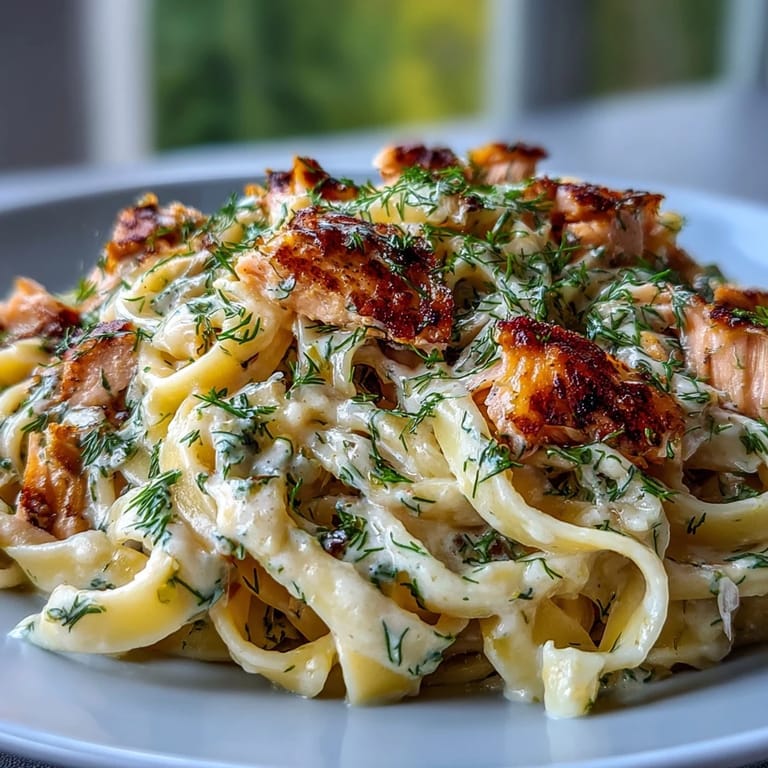
Save There was this one random Thursday when I made this for just myself, sat down with a glass of wine and a bowl of pasta, and realized I was genuinely happy with something I'd made in under 30 minutes. That's when I knew this recipe had earned its place in my regular rotation.
The Salmon Choice That Matters
Hot-smoked salmon is the unsung hero here because it's already cooked and smoky, so you don't have to worry about underdone fish or fishy flavors overwhelming the dish. The first time I used cold-smoked salmon by mistake, the texture was too delicate and it sort of disintegrated into the cream. Now I always check the package to make sure I'm grabbing the hot-smoked kind, which has a flakier, more substantial texture that actually stands up to tossing with pasta.
Playing With Acidity and Richness
Lemon is doing all the heavy lifting here to keep the sauce from feeling one-note and heavy, but here's what surprised me: if you add all the juice at the beginning, it mellows out during cooking and you lose that sparkle. By adding it near the end, you preserve that sharp contrast that makes your palate feel alive and keeps you reaching for another bite instead of feeling full after three forkfuls.
Making It Your Own
This recipe is forgiving in the best way, so don't feel locked into following it exactly as written. I've added a splash of dry white wine after the shallot softens, used fresh tarragon instead of dill, and once threw in some capers because I had them on hand and they added a salty brine note that was brilliant. You can lighten it by using half cream and half milk, or add a whisper more mustard if you like that tang.
- A squeeze of fresh lemon juice right before serving brightens everything in the bowl, so taste and adjust before you plate.
- If your sauce seems too thick, a little splash of pasta water loosens it back up without diluting the flavor.
- Leftovers reheat beautifully on the stovetop with a touch of cream or milk, though honestly this dish tastes best fresh and warm.
 Save
Save This is the kind of dish that proves you don't need hours in the kitchen or a long ingredient list to make something that tastes like you know what you're doing. Serve it with a crisp white wine and watch people's faces light up.
Recipe FAQs
- → Can I use fresh salmon instead of hot-smoked?
Yes, though you'll need to cook the fresh salmon in the sauce for 5-7 minutes until done. Hot-smoked salmon adds a deeper, more intense flavor that requires no additional cooking time.
- → What pasta shapes work best?
Long strands like fettuccine, spaghetti, or linguine capture the creamy sauce beautifully. Short shapes like penne or rigatoni also work if you prefer something with more texture.
- → Can I make this ahead?
The sauce can be made up to 2 days ahead and stored in the refrigerator. Reheat gently with a splash of cream or pasta water before tossing with freshly cooked pasta and salmon.
- → Is there a lighter version?
Replace half the heavy cream with whole milk for a lighter sauce. You can also increase the pasta water to stretch the cream further without sacrificing silkiness.
- → What can I substitute for the smoked salmon?
Hot-smoked trout works similarly. For a different flavor profile, try using grilled shrimp or pan-seared chicken breasts, though the cooking time may need adjustment.
- → Why reserve pasta water?
Pasta water contains starch that helps thicken and emulsify the sauce, creating that silky consistency that clings to the noodles. It's the secret to restaurant-quality pasta dishes.