 Save
Save I was standing in my kitchen on a rainy Tuesday, craving something warm and carby but unwilling to wait hours for dough to rise. A tub of cottage cheese sat in the fridge, leftover from breakfast, and I wondered if it could stand in for yogurt in a quick flatbread. The dough came together in minutes, and when the first one puffed up in the skillet, releasing that garlicky steam, I knew I had stumbled onto something I would make again and again.
The first time I made these for friends, I served them warm with hummus and roasted vegetables. Everyone kept reaching for more, tearing off pieces and wrapping them around whatever was on the table. One friend asked if I had bought them from a bakery, and I just smiled and said they took me fifteen minutes.
Ingredients
- All-purpose flour: The backbone of the dough, it gives structure without making the flatbreads heavy or tough.
- Baking powder: This creates those beautiful bubbles and pockets of air that make each flatbread light and fluffy.
- Fine salt: Brings out the flavor of the flour and balances the tang from the cottage cheese.
- Garlic powder: Optional but worthwhile, it adds a gentle savory note that makes the flatbreads more interesting on their own.
- Full-fat cottage cheese: Drain it well so the dough does not become too wet, the curds break down and enrich the texture.
- Large egg: Binds everything together and adds tenderness, helping the flatbreads stay soft even when they cool.
- Olive oil: A little goes into the dough for richness, and more gets brushed on the skillet to prevent sticking and add flavor.
- Fresh chopped herbs: Parsley or chives bring brightness and a pop of color, but they are completely optional if you want a simpler version.
- Water: Use just enough to bring the dough together if it feels dry, add it slowly so you do not overshoot.
Tired of Takeout? 🥡
Get 10 meals you can make faster than delivery arrives. Seriously.
One email. No spam. Unsubscribe anytime.
Instructions
- Mix the dry ingredients:
- In a medium bowl, whisk together the flour, baking powder, salt, and garlic powder until everything is evenly distributed. This ensures each flatbread gets the same rise and flavor.
- Combine the wet ingredients:
- In a separate bowl, use a fork or small whisk to break up the cottage cheese curds, then stir in the egg, olive oil, and herbs until relatively smooth. The mixture will look a bit lumpy, and that is perfectly fine.
- Form the dough:
- Pour the wet mixture into the dry ingredients and stir gently with a spatula until a shaggy dough forms. If it feels too dry or crumbly, add water one teaspoon at a time until it comes together into a soft, slightly sticky ball.
- Knead briefly:
- Turn the dough onto a lightly floured surface and fold it over itself six to eight times, just enough to bring it into a cohesive ball. Over-kneading will make the flatbreads tough, so keep it gentle.
- Rest the dough:
- Cover the dough with a clean kitchen towel or plastic wrap and let it rest at room temperature for ten minutes. This allows the gluten to relax and makes rolling much easier.
- Divide and roll:
- After resting, divide the dough into four equal portions and roll each into a smooth ball. Use a rolling pin or your hands to flatten each ball into a round flatbread about one quarter inch thick, dusting lightly with flour as needed.
- Heat the skillet:
- Warm a large nonstick or cast-iron skillet over medium heat and brush lightly with olive oil. The pan should be hot enough that a drop of water sizzles but does not smoke.
- Cook the flatbread:
- Place one rolled flatbread in the hot skillet and cook for two to three minutes until bubbles form and the underside is golden brown. Flip and cook another one to two minutes until golden and cooked through, adjusting the heat as needed.
- Keep warm:
- Transfer the cooked flatbread to a plate and cover with a clean towel to keep it warm and soft. Repeat with the remaining dough, adding more oil to the skillet if necessary.
- Serve:
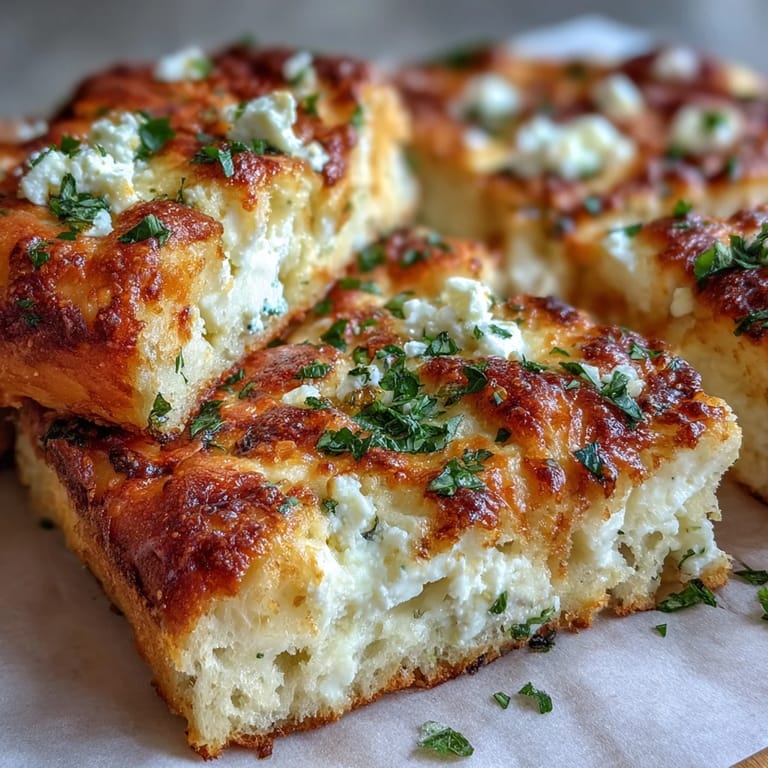
- Serve warm as a wrap, with dips, or as a pizza base with your favorite toppings. They are best enjoyed fresh but reheat beautifully.
 Save
Save One evening, I rolled these out with my niece, who was learning to cook. She loved watching the bubbles form and insisted on flipping each one herself. When she ate the first warm flatbread with butter, she looked up and said it tasted like a hug, and I have never forgotten that.
Storage and Reheating
Store any leftovers in an airtight container in the refrigerator for up to three days, or freeze them for up to a month with parchment paper between each flatbread. To reheat, warm them in a skillet for a minute on each side or microwave with a damp paper towel draped over them to restore softness. They come back to life surprisingly well, almost as good as when they were freshly cooked.
Flavor Variations
Once you have the basic recipe down, you can play with add-ins like finely chopped spinach, sun-dried tomatoes, or even grated cheese stirred into the dough. I have also swapped the herbs for dried oregano and basil when I wanted an Italian vibe, and once I added a pinch of cumin and coriander for a more Middle Eastern feel. Each version worked beautifully, and the dough is forgiving enough to handle whatever you throw at it.
Serving Suggestions
These flatbreads are endlessly versatile and I have used them in so many ways. Wrap them around scrambled eggs and avocado for breakfast, pile them with grilled vegetables and feta for lunch, or brush them with garlic butter and bake them into quick pizza bases for dinner.
- Serve with hummus, tzatziki, or baba ganoush for dipping.
- Use them as a base for open-faced sandwiches with smoked salmon and cream cheese.
- Top with tomato sauce, mozzarella, and fresh basil, then bake at 425 degrees Fahrenheit for eight to ten minutes for personal pizzas.
 Save
Save These flatbreads have become one of those recipes I turn to when I want something homemade without the fuss, and every time I make them, they remind me that the best food does not have to be complicated. I hope they become a staple in your kitchen, too.
Recipe FAQs
- → Can I make the dough ahead of time?
Yes, prepare the dough and store it wrapped in the refrigerator for up to 24 hours. Let it come to room temperature for about 15 minutes before rolling and cooking, as cold dough will be harder to shape.
- → What makes cottage cheese work in flatbread dough?
The cottage cheese provides moisture, protein, and a subtle tang while keeping the bread tender. When blended with egg, it creates a smooth, elastic dough that puffs beautifully during cooking without requiring yeast or rising time.
- → Why do I need to let the dough rest?
The 10-minute rest allows the flour to fully hydrate and the gluten to relax. This makes the dough much easier to roll out without springing back, and results in softer, more tender flatbreads after cooking.
- → Can I freeze these flatbreads?
Absolutely. Cool completely, then stack with parchment paper between each piece and freeze in a sealed bag for up to one month. Reheat directly from frozen in a warm skillet or microwave with a damp paper towel.
- → What if my dough feels too sticky to handle?
Lightly dust your hands and work surface with flour. The dough should be slightly tacky but manageable. If it's excessively sticky, add just one teaspoon of flour at a time—too much will make the bread tough rather than tender.