 Save
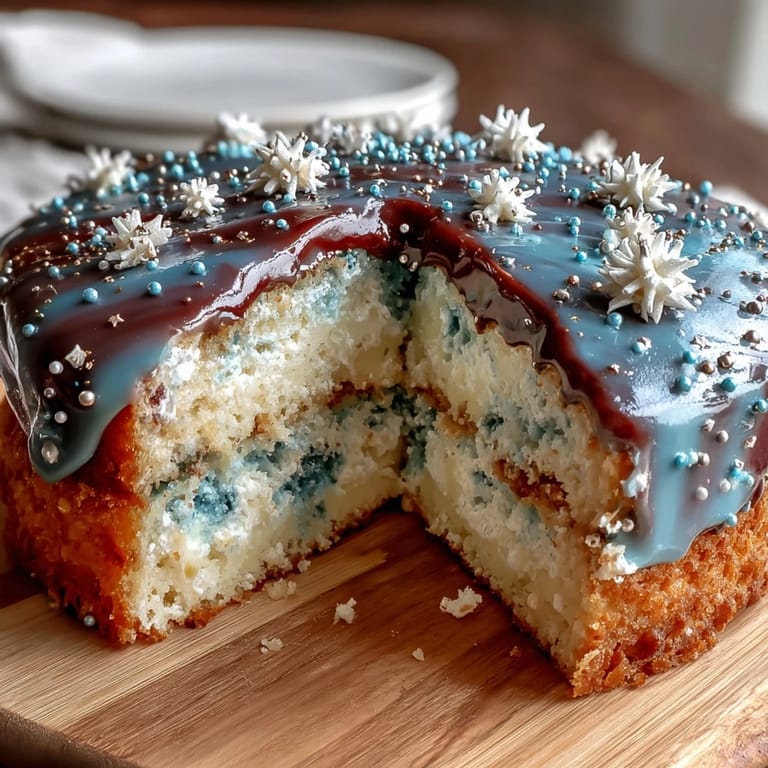
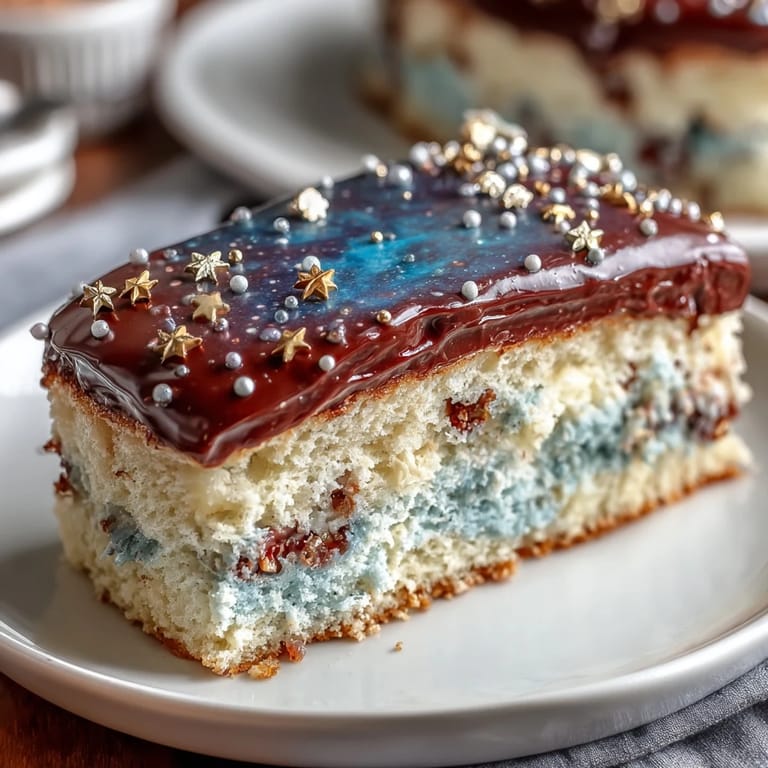
Save My sister called me three weeks before graduation with a wild idea—she wanted a cake that looked like outer space. I laughed at first, imagining a boring sheet cake with some blue frosting, but then she sent me a picture of swirling galaxies and I was hooked. That afternoon, I found myself standing in the baking aisle, gathering buttercream supplies and edible stars, determined to turn sugar and butter into something that actually looked like it belonged in a planetarium. The whole process felt like controlled chaos in the best way—mixing colors into frosting, flicking paint across layers, watching something genuinely stunning come together in my kitchen.
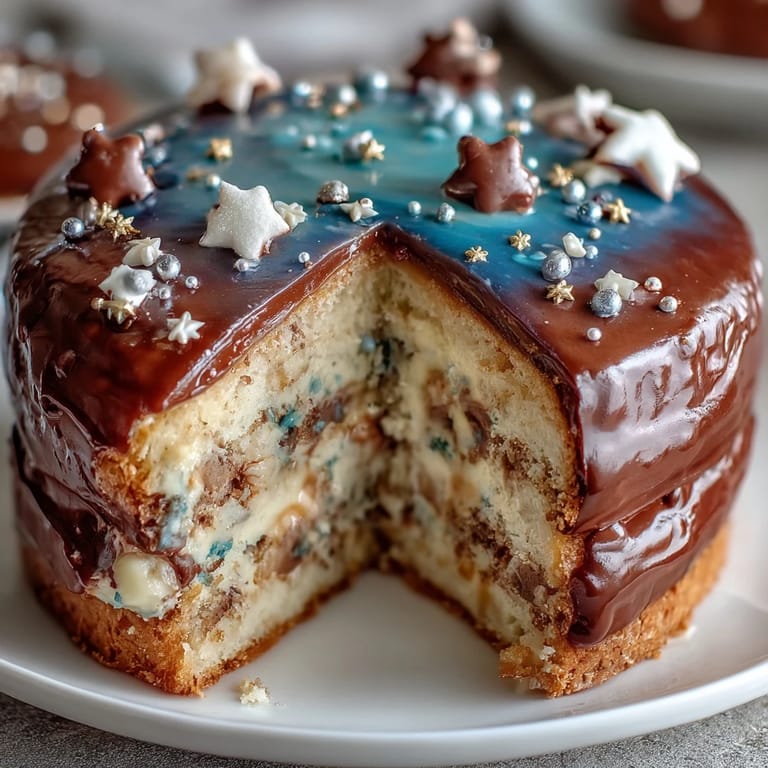
I'll never forget the moment we brought this cake out at the graduation party. The entire room went quiet, and then everyone started taking pictures before anyone even cut into it. My sister's best friend said it was too beautiful to eat, then immediately asked for a second slice—that's when I knew I'd nailed it. There's something about making a cake that's this visually stunning that shifts the whole energy of a celebration from nice to unforgettable.
Ingredients
- All-purpose flour (2 ½ cups): This is your cake's foundation, and measuring it right matters—spoon and level rather than scooping straight from the bag to avoid dense layers.
- Granulated sugar (2 cups): The sweetness here balances beautifully with the buttercream, so don't skip this or reduce it too much or your cake will taste off.
- Unsalted butter (1 cup plus 1 ½ cups): Softening this to room temperature is non-negotiable—cold butter won't cream properly, and your cake won't have that light, tender crumb.
- Whole milk (1 cup plus ¼ cup): Room temperature milk incorporates smoothly into the batter and prevents the mixture from seizing up when you're creaming.
- Large eggs (4): Room temperature eggs emulsify properly with the butter and sugar, creating structure and richness that cold eggs just can't match.
- Baking powder (2 ½ tsp): This gives the cake its gentle rise—too little and it stays dense, too much and it over-rises then collapses.
- Vanilla extract (1 tbsp plus 2 tsp): Real vanilla extract makes a noticeable difference in flavor depth compared to imitation, especially in a cake this special.
- Gel food coloring (black, navy blue, purple, pink, teal): Gel coloring is thicker and won't thin out your buttercream like liquid food coloring would, and the colors stay vibrant.
- Edible gold and silver star sprinkles: These add texture and shimmer—they're the final touch that makes the galaxy effect feel complete.
- Powdered sugar (5 cups): Sifting this prevents lumps that would ruin the smoothness of your frosting.
Tired of Takeout? 🥡
Get 10 meals you can make faster than delivery arrives. Seriously.
One email. No spam. Unsubscribe anytime.
Instructions
- Prep your pans:
- Preheat your oven to 350°F and grease three 8-inch round pans with butter or cooking spray, then line the bottoms with parchment paper. This double protection keeps your cake from sticking and sliding around.
- Cream the butter and sugar:
- Beat softened butter and sugar together for about 2 to 3 minutes until it looks pale and fluffy, like thick frosting. This aerates the mixture and helps your cake rise evenly.
- Add eggs one at a time:
- Crack each egg in separately and beat well after each addition—this prevents the batter from looking curdled and grainy. It takes about 30 seconds per egg.
- Mix in vanilla:
- Add the vanilla extract and blend until it disappears into the batter.
- Combine dry ingredients:
- In another bowl, whisk together the flour, baking powder, and salt to evenly distribute the leavening agent throughout.
- Alternate wet and dry:
- Add the flour mixture and milk in three parts—flour first, then some milk, then more flour, then more milk, then the last of the flour—stirring just until combined. Over-mixing makes the cake tough, so stop as soon as you don't see dry streaks.
- Divide and bake:
- Pour the batter evenly into your three prepared pans and bake for 30 to 35 minutes until a toothpick inserted in the center comes out clean or with just a few crumbs. The cakes should spring back when you gently touch the center.
- Cool properly:
- Let the cakes cool in their pans for 10 minutes—this helps them set so they won't fall apart—then turn them out onto wire racks to cool completely before frosting. Frosting a warm cake is a disaster waiting to happen.
- Beat the buttercream:
- Beat softened butter until it's pale and creamy, then gradually add sifted powdered sugar while beating, scraping down the bowl as you go. This prevents lumps and incorporates air for a light texture.
- Add milk and vanilla:
- Pour in the milk and vanilla slowly while beating, and keep going until the frosting is fluffy and spreadable, about 1 to 2 minutes total.
- Color your buttercream:
- Divide the frosting into four or five bowls and tint each one with gel food coloring—start with just a tiny amount on a toothpick and add more until you get the galaxy colors you want. The colors will deepen slightly as they sit.
- Create the galaxy log:
- Lay out a long piece of plastic wrap and drop random spoonfuls of each colored buttercream along it in no particular pattern, then roll the whole thing up tightly into a log. This creates the marbled effect that makes the galaxy come alive.
- Pipe into a piping bag:
- Snip one end of the plastic wrap log and slide the whole thing into a piping bag fitted with a large round tip, then squeeze out one or two swirls to test the colors before you frost the whole cake.
- Stack and crumb coat:
- Place the first cake layer on your serving plate and spread a thin layer of galaxy buttercream on top, then add the second layer and repeat, finishing with the third layer on top. After stacking all three layers, spread a thin layer of frosting all over the entire cake to trap any crumbs—this is your crumb coat—then chill for 20 minutes.
- Frost the galaxy:
- Take the cake out of the fridge and use your piping bag to pipe swirls and mounds of galaxy buttercream all over, then use an offset spatula to gently swirl and marble the colors together. Don't overwork it—the less you blend, the more the galaxy effect pops.
- Paint on stars:
- Mix white gel food coloring with a tiny bit of water to create a paint-like consistency, then use a food-safe paintbrush or a splatter tool to flick white stars across the surface. This adds dimension and makes the galaxy feel infinite.
- Add the sparkle:
- Sprinkle edible gold and silver stars all over the cake, then dust with edible glitter or luster dust to catch the light and make the whole thing shimmer.
- Optional finish:
- If you want to tie in the graduation theme, add a cake topper shaped like a graduation cap right on top.
 Save
Save What struck me most wasn't how impressive the cake looked on Instagram or how many people complimented it—it was my sister's face when she walked into the room and saw it waiting on the dessert table. For just a moment, that cake represented more than sugar and buttercream; it represented showing up for someone's milestone and making it feel important and celebrated. That's the real magic of a cake like this.
Flavor Variations and Add-Ins
While the vanilla cake itself is delicious and neutral enough to let the galaxy frosting shine, you can absolutely layer in extra flavor. I've tried adding a thin layer of seedless raspberry jam between the cake layers, which adds a slight tartness that cuts through the sweetness of the frosting beautifully. Some friends have done blueberry jam instead, which feels more cosmic somehow, and others have brushed the cake layers with a light simple syrup infused with vanilla or almond extract before frosting to add moisture and depth. The key is keeping these additions subtle so the visual galaxy effect stays the star of the show.
Storage and Make-Ahead Tips
This cake actually gets better if you make it a day or two before the celebration. Bake the cake layers up to three days ahead and store them in an airtight container at room temperature, or wrap them tightly in plastic wrap and refrigerate for up to a week. You can make the buttercream up to five days ahead and keep it in the fridge, then bring it to room temperature and re-beat it for a few minutes to restore the fluffy texture before frosting. I usually frost the assembled cake the morning of the celebration so the frosting is at its best and the edible stars stay shiny and vibrant.
Celebration Pairings and Serving Suggestions
This cake deserves a celebration that matches its elegance, so think about what you're serving alongside it. Sparkling wine or champagne is the obvious choice and pairs beautifully with the light vanilla cake and rich buttercream, but I've also seen this work wonderfully with a fruity punch or even sparkling lemonade if you're keeping things non-alcoholic. Serve slices at room temperature so the flavors come through fully, and if the frosting feels a bit soft from sitting out, just pop the cake back in the fridge for 10 minutes before slicing.
- If your celebration is outdoors on a warm day, keep the cake in the shade or in a cooler with ice packs around it so the frosting doesn't get too soft.
- The edible glitter and stars are the finishing touches that make this cake feel special, so don't skip them even if you think you'll look silly adding sparkle to dessert.
- Slice the cake with a long, thin-bladed knife that you dip in hot water and wipe clean between cuts for the cleanest presentation.
 Save
Save This cake has become my go-to celebration dessert for every milestone moment—graduations, promotions, big birthdays, all of it. It's the kind of cake that tells someone you think they're worth the effort, and that message lands every single time.
Recipe FAQs
- → How do I achieve the galaxy buttercream effect?
Divide buttercream into colors like black, navy, purple, pink, and teal, then blend them softly to create a marbled, swirling galaxy look on the cake.
- → What tools are recommended for decorating the cake?
Use an offset spatula for smooth spreading, a piping bag with a round tip for swirling, and a food-safe paintbrush to flick white gel colors for star details.
- → Can I add fruit fillings between the layers?
Yes, raspberry or blueberry jam layers complement the flavors and add an extra burst of taste inside.
- → How should I store the cake after assembling?
Keep the finished cake refrigerated to maintain freshness and the firmness of the buttercream decorations.
- → Are there allergen concerns with the star sprinkles?
Star sprinkles may contain traces of nuts; check the packaging carefully if allergies are a concern.