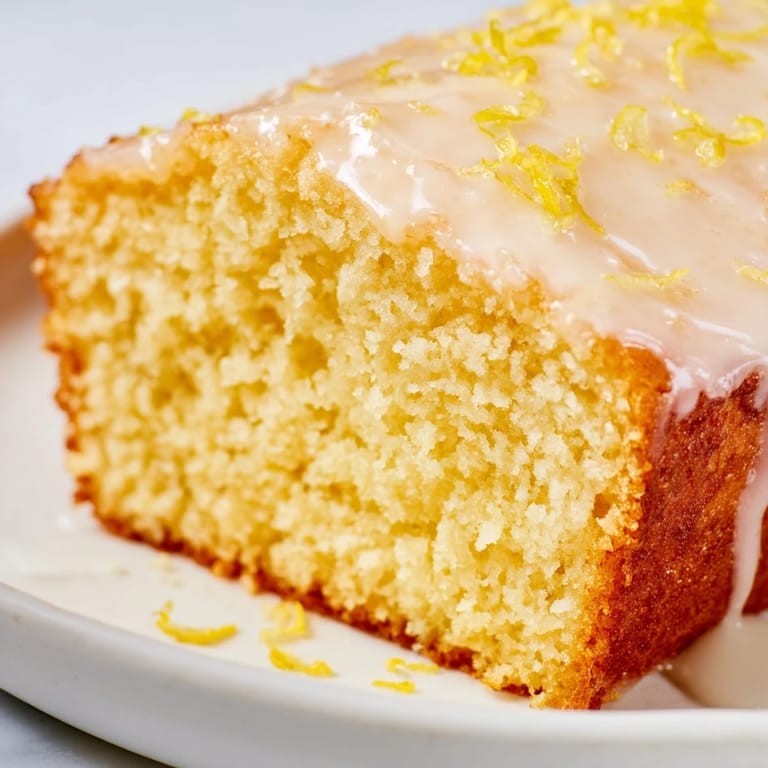
 Save
Save The afternoon sun was streaming through my kitchen window when my grandmother walked in with a bag of lemons from her tree. She told me we were making pound cake, but not just any pound cake—this one would taste like sunshine itself. I'd never grated zest before, and the way the citrus oils perfumed the air made me understand what fresh really means. We spent the whole afternoon waiting for the oven timer, the house slowly filling with that buttery lemon scent that makes time feel slower.
I made this cake for a friend's birthday last spring because she'd mentioned loving lemon anything. She took one bite and actually got quiet for a moment, then told me it tasted exactly like the cake her mother used to make. That's the thing about a well made pound cake—it carries memories in its crumbs. Now whenever lemons go on sale, I grab a few extra and keep them in the crisper drawer.
Ingredients
- Unsalted butter: Softening it properly makes all the difference in achieving that fluffy, light texture after creaming
- Granulated sugar: Creaming this with the butter creates tiny air pockets that help the cake rise beautifully
- Large eggs: Room temperature eggs incorporate better and prevent the batter from curdling
- Whole milk: Adds moisture and richness without making the cake too heavy
- Fresh lemon juice: Use real lemons—bottled juice lacks that bright, complex flavor we want
- Lemon zest: This is where the real lemon perfume lives, so grate it finely and generously
- All purpose flour: Gives structure to all that butter and sugar—dont pack it when measuring
- Baking powder: Helps lift the dense batter just enough for tender crumbs
- Salt: Balances the sweetness and makes the lemon flavor pop
- Powdered sugar: Creates that smooth, pourable glaze that sets into a sweet finish
Tired of Takeout? 🥡
Get 10 meals you can make faster than delivery arrives. Seriously.
One email. No spam. Unsubscribe anytime.
Instructions
- Getting Started:
- Preheat your oven to 350°F (175°C) and prepare a 9x5-inch loaf pan by greasing it thoroughly and dusting with flour, or lining it with parchment paper for easy removal later.
- Creating the Base:
- In a large bowl, beat the softened butter and granulated sugar together for 3–4 minutes until the mixture turns pale and fluffy—this step is worth the extra time.
- Adding Eggs:
- Add the eggs one at a time, beating well after each addition to fully incorporate them into the butter mixture.
- Mixing the Liquids:
- In a small bowl, whisk together the milk, fresh lemon juice, and grated lemon zest until combined.
- Combining Dry Ingredients:
- In a separate bowl, whisk the flour, baking powder, and salt together to evenly distribute the leavening.
- Bringing It Together:
- With your mixer on low speed, add the flour mixture in three additions, alternating with the milk-lemon mixture and beginning and ending with the flour—mix only until just combined to avoid a tough cake.
- Ready for the Oven:
- Pour the batter into your prepared pan and smooth the top with a spatula.
- The Bake:
- Bake for 50–55 minutes until a toothpick inserted in the center comes out clean or with just a few moist crumbs.
- Cooling Down:
- Let the cake rest in the pan for 10 minutes before turning it out onto a wire rack to cool completely.
- The Glaze:
- Whisk together the powdered sugar and 2–3 tablespoons of fresh lemon juice until smooth and drizzle over the cooled cake, letting it set before slicing.
 Save
Save My neighbor stopped by last week while I was taking this cake out of the oven. She stood in the doorway breathing in the air and said, 'I remember that smell from when I was little.' Sometimes the best recipes are the ones that belong to everyone, passed hand to hand, kitchen to kitchen.
Making It Ahead
This pound cake actually gets better on day two as the flavors meld together. Wrap it tightly and it will stay moist at room temperature for up to three days. You can also freeze the unglazed cake for up to a month.
Serving Suggestions
Slice thick pieces and serve with coffee in the morning or tea in the afternoon. Fresh berries alongside make a nice contrast to the dense, buttery crumb. A dollop of lightly sweetened whipped cream never hurt anyone either.
Baking Wisdom
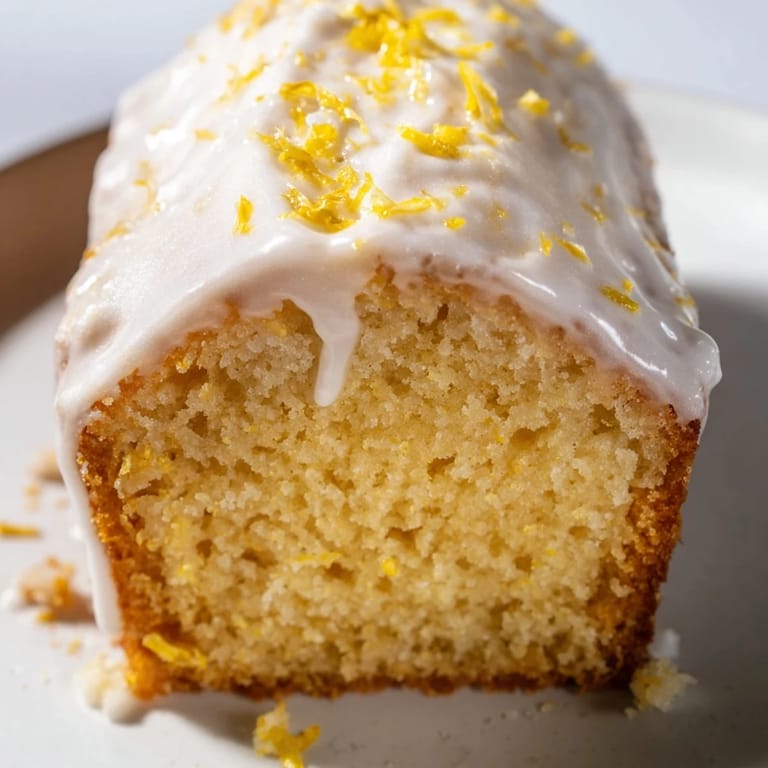
Every oven bakes differently, so start checking your cake at the 50 minute mark. The edges should be golden brown and pulling slightly from the pan sides. A few cracks on top are normal—they're the sign of a good dense crumb.
- Use a light-colored metal pan for even browning
- Rotate the pan halfway through baking if your oven has hot spots
- Let the glaze drip down the sides naturally for that rustic look
 Save
Save There is something deeply satisfying about a well made pound cake, humble yet generous. May your kitchen smell like lemon and butter for years to come.
Recipe FAQs
- → Can I use salted butter instead of unsalted?
Yes, simply reduce the added salt in the dry ingredients to about 1/4 teaspoon to account for the salt already present in the butter.
- → How do I know when the loaf is fully baked?
Insert a toothpick into the center—it should come out clean or with just a few moist crumbs. The top should be golden brown and the edges slightly pulling away from the pan.
- → Can I freeze this for later?
Absolutely. Wrap the cooled unglazed loaf tightly in plastic wrap and foil, then freeze for up to 3 months. Thaw overnight at room temperature before adding the glaze.
- → Why is my glaze too thick or too runny?
The consistency depends on your lemon juice and humidity. Add juice 1 teaspoon at a time until pourable. For thicker glaze, add more powdered sugar. Aim for honey-like texture.
- → Can I make this into mini loaves or muffins?
Yes. Bake mini loaves for 25-30 minutes or standard muffins for 18-22 minutes. Start checking early since smaller portions bake faster.
- → What's the best way to get maximum lemon flavor?
Use freshly squeezed juice and zest the lemons before juicing. Rub the zest into the sugar before creaming to release the oils. Consider adding 1/2 teaspoon lemon extract as suggested.