 Save
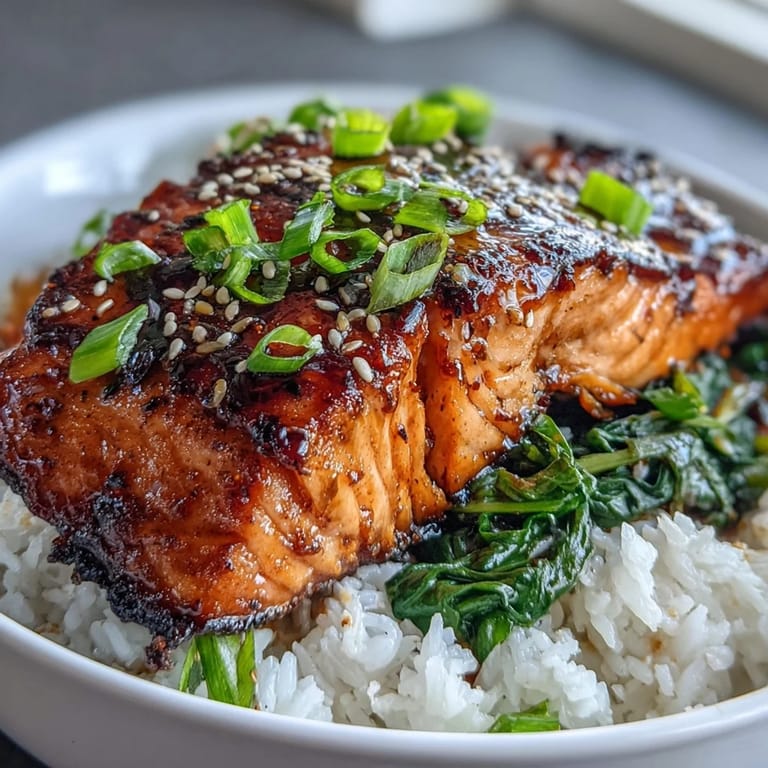
Save There's this moment every weeknight when I'm standing at the kitchen counter, salmon defrosting in the sink, and I think about how simple it is to make something that tastes like you've been cooking all day. My neighbor brought over a container of homemade miso glaze last spring, and I've been chasing that balance of savory and sweet ever since. This bowl came together one Thursday evening when I wanted dinner to feel intentional, nourishing, and honestly, kind of fancy without the fuss. The glaze caramelizes under the broiler in less time than it takes to cook the rice, and suddenly you're plating something that tastes restaurant-quality but never stressed you out.
I made this for my sister's first week back from traveling, and she sat at my kitchen island just quietly eating, which is her way of saying something is really, really good. There's something about serving a bowl like this, with the salmon glistening and the steam rising from the rice, that makes everyone feel looked after. She asked for the recipe before she'd finished her last bite, and now whenever I make it, I'm reminded that the best meals are the ones that make people feel seen.
Ingredients
- Salmon fillets (4, about 150g each, skinless): The star of this bowl—buy from a fishmonger if you can, because they'll recommend what's fresh that day and cut it to order.
- White miso paste (3 tbsp): This is different from red miso; it's milder and slightly sweeter, and it dissolves into the glaze without overpowering anything.
- Mirin (2 tbsp): This sweet rice wine is essential for the glaze's depth; don't skip it or substitute with sugar, because the flavor just won't land the same way.
- Soy sauce (2 tbsp): A good quality soy sauce makes a noticeable difference in the final taste of the glaze.
- Honey (1 tbsp): Adds roundness to the sweetness and helps the glaze caramelize into a glossy finish.
- Rice vinegar (1 tbsp): The acidity brightens everything and keeps the glaze from being one-note.
- Toasted sesame oil (1 tsp): A small amount goes a long way; this stuff is intense and wonderful, but use restraint or it'll overpower the other flavors.
- Fresh ginger and garlic: Both minced and added to the glaze for that warm, slightly spicy undertone that ties the whole bowl together.
- Jasmine rice (1 1/2 cups): Fragrant and delicate, it soaks up the richness of the salmon without competing for attention.
- Fresh spinach (300g): Wilts down quickly and becomes silky when you finish it with a touch of soy sauce and ginger.
- Green onions, sesame seeds, nori, and lime wedges: These garnishes are where you add brightness and texture, so don't treat them as optional extras.
Tired of Takeout? 🥡
Get 10 meals you can make faster than delivery arrives. Seriously.
One email. No spam. Unsubscribe anytime.
Instructions
- Make the glaze that holds everything together:
- Whisk together miso, mirin, soy sauce, honey, rice vinegar, sesame oil, ginger, and garlic in a small bowl until the miso dissolves completely and everything turns into a smooth, glossy paste. Taste it straight from the spoon—it should taste bold and umami-forward, because it's going to balance out the delicate salmon.
- Let the salmon marry with the flavors:
- Coat your salmon fillets in the marinade, then refrigerate while you handle everything else. This 15 to 30 minutes of waiting isn't wasted time; it's when the salmon starts absorbing the flavors and the glaze begins working its magic.
- Cook the rice so it's ready when you need it:
- Rinse jasmine rice under cold water until the water runs mostly clear, then combine with fresh water and a pinch of salt in a saucepan. Bring to a boil, cover, reduce heat to low, and simmer for 12 to 15 minutes until the grains are tender and the water is absorbed. Let it sit covered for 5 minutes after you turn off the heat; this resting time makes all the difference in texture.
- Wilt the spinach with intention:
- Heat oil in a large skillet over medium heat, then add your ginger and garlic and let them bloom for about 30 seconds until the kitchen smells amazing. Add the spinach and salt, tossing constantly until just wilted, then finish with soy sauce and set aside. The whole process should take 1 to 2 minutes, because overcooked spinach loses all its character.
- Broil the salmon until it glistens:
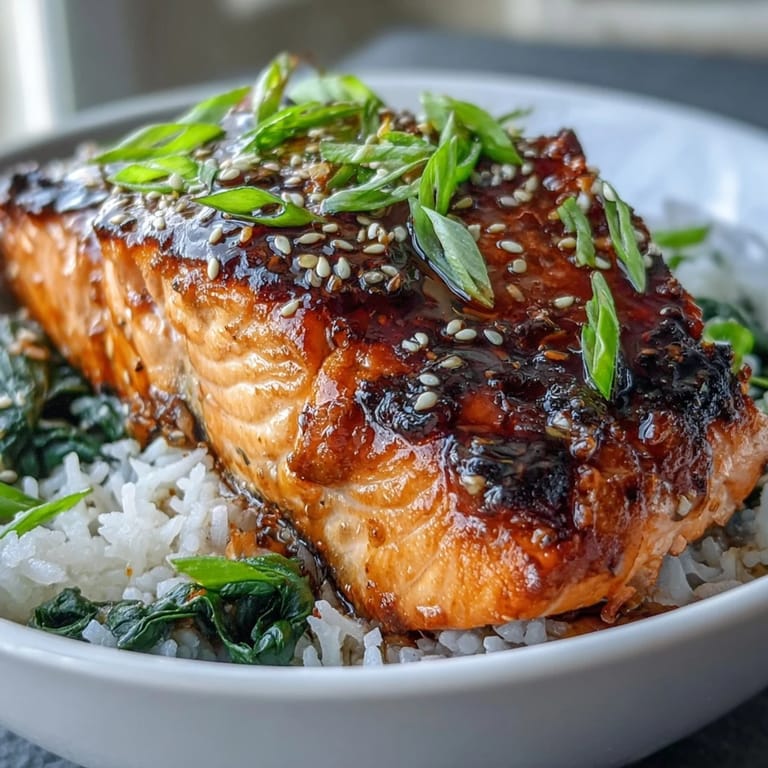
- Preheat your broiler to 220°C (425°F) and line a baking sheet with foil. Arrange your marinated salmon on the tray and broil for 8 to 10 minutes, watching it carefully, until the flesh is cooked through and the glaze has caramelized into a sticky, bronze coating. The salmon will flake easily when it's done; if you're nervous, a fork should meet almost no resistance.
- Bring everything together in a bowl:
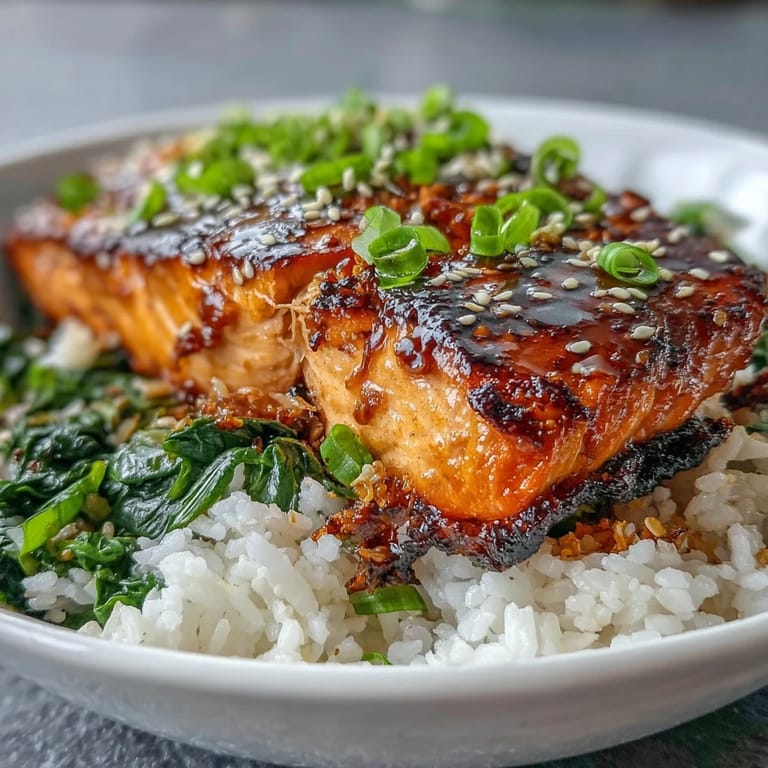
- Divide the warm rice among four bowls, then top each with a pile of sautéed spinach and a glazed salmon fillet. Scatter green onions and sesame seeds over the top, add nori strips if you like, and serve with lime wedges so people can squeeze brightness over everything.
 Save
Save I learned the magic of this bowl on a night when everything felt overwhelming, and cooking it became this gentle, meditative thing. By the time I was assembling the bowls, my shoulders had dropped about three inches, and I realized that feeding yourself well is sometimes the most honest form of self-care. Now whenever I make it, I'm aware of that feeling again, and I think that's what makes a recipe worth keeping.
The Miso Glaze Is Everything
This glaze is why people will think you know what you're doing in the kitchen, even if you're making it for the first time. The combination of white miso, mirin, and honey creates this perfect sweet-savory-umami balance that doesn't exist in nature, only in the best Japanese kitchens and now in yours. The sesame oil and rice vinegar add complexity without announcing themselves, and the ginger and garlic give it warmth. I've started making extra glaze and keeping it in a small jar in the refrigerator, because it's excellent on roasted vegetables, drizzled over chicken, or even swirled into yogurt for a weird but genuinely delicious dip.
Building Your Bowl With Purpose
The rice is the foundation, but it's also neutral territory where the other flavors get to shine without fighting each other. The spinach adds earthiness and a silky texture that makes the bowl feel complete in a way that just salmon and rice never quite does. Layering the salmon on top means you get a bite of all three components together, with each element supporting the others. The garnishes aren't decoration; they're the final flourish that adds brightness, crunch, and visual appeal, so scatter them with a generous hand and don't worry about being neat about it.
Variations and Reasons to Play Around
I've made this bowl a hundred different ways depending on what I have on hand and what mood I'm in. Brown rice or quinoa work beautifully if jasmine rice isn't what you've got, though the texture and flavor story shifts slightly. Sliced avocado makes it richer and creamier, pickled ginger adds a sharp, refreshing note that cuts through the umami, and edamame brings extra protein and a little pop of color. If you're feeling adventurous, try adding sliced cucumber, roasted mushrooms, or even a soft-boiled egg on top; this is a template more than a rigid recipe, and it's flexible enough to adapt to whatever your kitchen and preferences demand.
- For gluten-free, swap regular soy sauce for tamari and make sure your miso paste is certified gluten-free.
- Add a poached or soft-boiled egg on top for extra richness and a runny yolk situation that's genuinely beautiful.
- Make a big batch of the miso glaze and keep it in the refrigerator for up to two weeks so you can throw together this bowl on busy nights.
 Save
Save This bowl has become my answer to the question of how to cook something that tastes like care in less than 40 minutes. Every time I make it, I'm grateful that good food doesn't require hours of labor or advanced techniques, just thoughtful ingredients and a little attention to detail.
Recipe FAQs
- → What does miso glaze taste like?
Miso glaze offers a savory-sweet umami flavor profile. The fermented miso paste provides deep salty notes, while honey and mirin add sweetness. It creates a rich, caramelized coating that complements the natural richness of salmon.
- → Can I use other fish instead of salmon?
Yes, this glaze works beautifully with other fatty fish like black cod, trout, or mackerel. Leaner fish like cod or halibut also work well but may require shorter cooking time to prevent drying out.
- → How long should I marinate the salmon?
Marinate for 15–30 minutes for optimal flavor absorption. Longer marinating up to 2 hours enhances the taste, but avoid exceeding 4 hours as the high salt content in miso can begin to cure the fish texture.
- → Is this dish gluten-free?
Traditional miso and soy sauce contain gluten. To make this gluten-free, substitute regular soy sauce with tamari and verify your miso paste is certified gluten-free. All other ingredients naturally fit a gluten-free diet.
- → Can I prepare components ahead?
Cook jasmine rice up to 2 days in advance and reheat before serving. The miso marinade can be mixed 3 days ahead and stored refrigerated. Marinate salmon just before cooking for best texture. Sauté spinach fresh while assembling.
- → What vegetables can I add to the bowl?
Consider steamed edamame, shredded carrots, cucumber ribbons, pickled ginger, or sliced avocado. Roasted broccoli, snap peas, or shiitake mushrooms also complement the miso flavors while adding color and nutrients.